
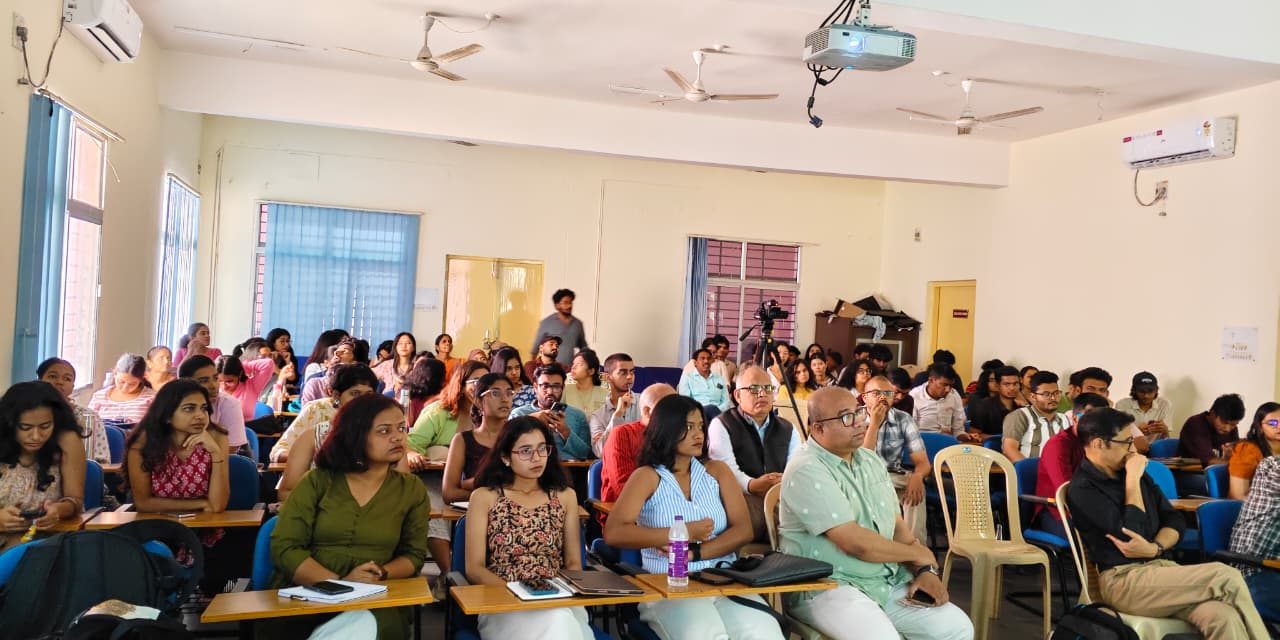
The UNESCO Chair in Vulnerability Studies, University of Hyderabad organized a symposium on 11th March, 2026 at the ASIHSS Hall, Department of English. The symposium brought together perspectives of vulnerability in different fields of inquiry including Fine Arts, Comic Studies, Medical Humanities, language teaching, and law in literature. The lectures were delivered by Ms. Madhuri Rao from Vidyashilp University, Bengaluru, Dr. Partha Bhattacharjee from SRM University AP, Dr. Antara Chatterjee from IISER Bhopal, Dr. Santosh Mahapatra from BITS Pilani (Hyderabad Campus), and Dr. Sidharth Chauhan from NLSIU Bengaluru. The symposium was attended by nearly 130 participants, including students and faculty from St. Francis College, Hyderabad, and other Departments of the UoH. The UNESCO Chair in Vulnerability Studies, Prof. Pramod K Nayar addressed the gathering with opening remarks about the activities of the Chair and the ideation for an offline event. The deputy coordinator, Dr. Saradindu Bhattacharya formally introduced the theme of the event and welcomed the speakers and the audience to the symposium.
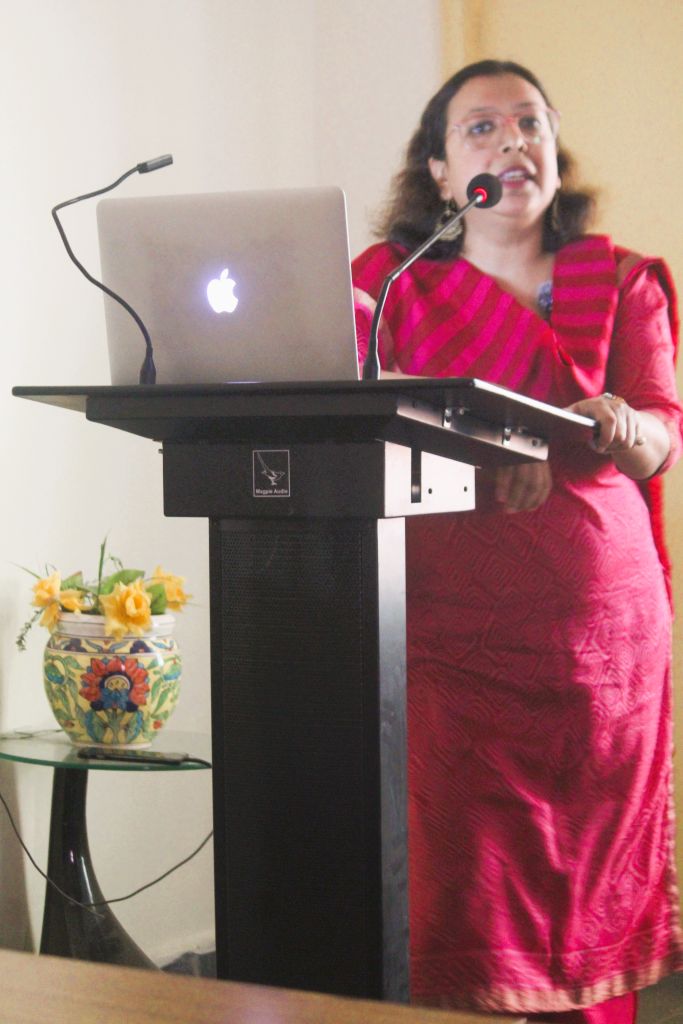
The first lecture titled “Art as Vulnerable: Precarity and Resistance in Lived Experiences”, delivered by Madhuri Rao, dealt with the intersections between disability, art practice and vulnerability. Drawing on her personal experiences as an art practitioner, she illustrated how corporeality shapes the development and identity of an artist. Viewing the studio as a critical site of enquiry, she traced the long history of exploitation and exclusion of females from the studio. Through the display of artworks by Mona Hatoum, Shilpa Gupta, and Nabanit Augusti, she argued that the notion of normality often conceals the absence of equity. Madhuri Rao concluded by emphasising inherent vulnerability as art and vulnerability in art practice.
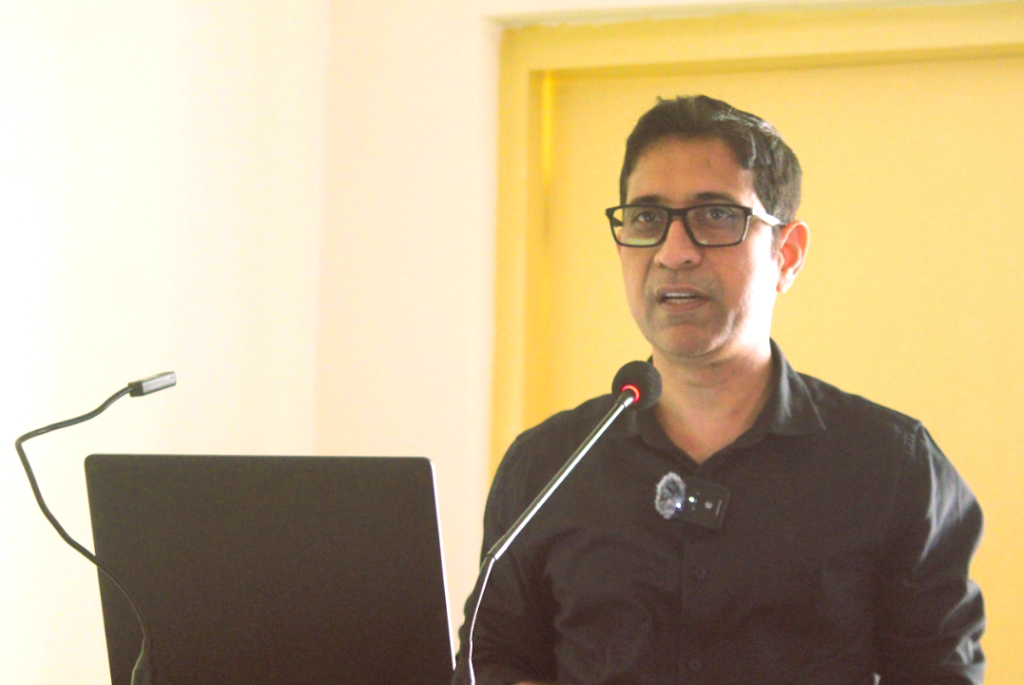
“Framing the Fragile ‘Form’: Exploring Precarity, Violence, and Resilience in Indian Comics” by Partha Bhattacharjee outlined the evolutionary trajectory of Indian comics from the 1950s and ’60s to the present, exploring the emergence of comics and graphic narratives as serious cultural texts. Bhattacharjee posited the comic medium as uniquely suited for the representation of fragility, noting that features such as panels and gutters capture complex experiences like trauma, conflict, and vulnerability. Bhattacharjee then analysed a number of Indian comics that illustrate and capture different forms of vulnerability and violence, with an emphasis on gendered vulnerability and violence against women. The lecture concluded with the speaker introducing a mobile application called Artivive, an augmented reality platform where creatives and designers can link classical and digital art or show how artworks are created.
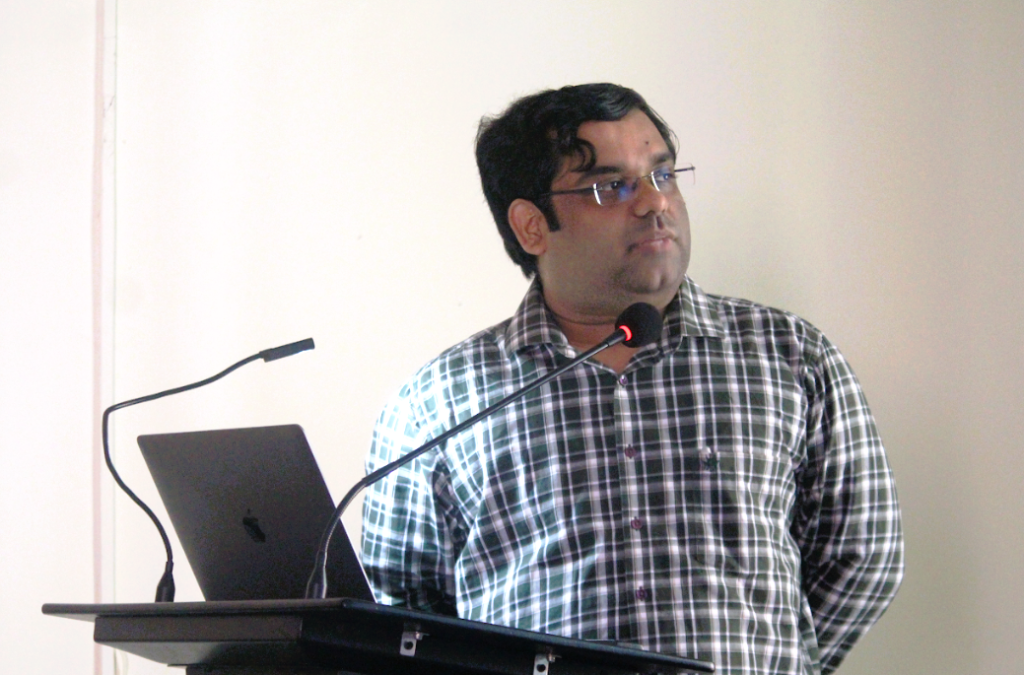
“Embodied and Gendered Experiences of Illness and Disability: Some Fictional Representation of Tagore and Manik Bandhopadhyay” by Antara Chatterjee drew its insights from Health Humanities, Literary Feminism, and Postcolonial Studies by examining the representations of illness, disability, and embodiment in two significant 19th century Bengali texts Putulnacher Itikatha (“The Puppet’s Tale”) by Manik Bandyopadhyay and Drishtidaan (“The Gift of Sight”) by Rabindranath Tagore. The session explored the figure of the “male physician and practitioner of western medicine” and read them alongside the gendered and embodied illness/disability of its women characters. The lecture illustrated how fiction can illuminate the “complex entanglements of illness, health, well-being, embodiment, care, gendered subjectivity, and structural disempowerment and vulnerability”.
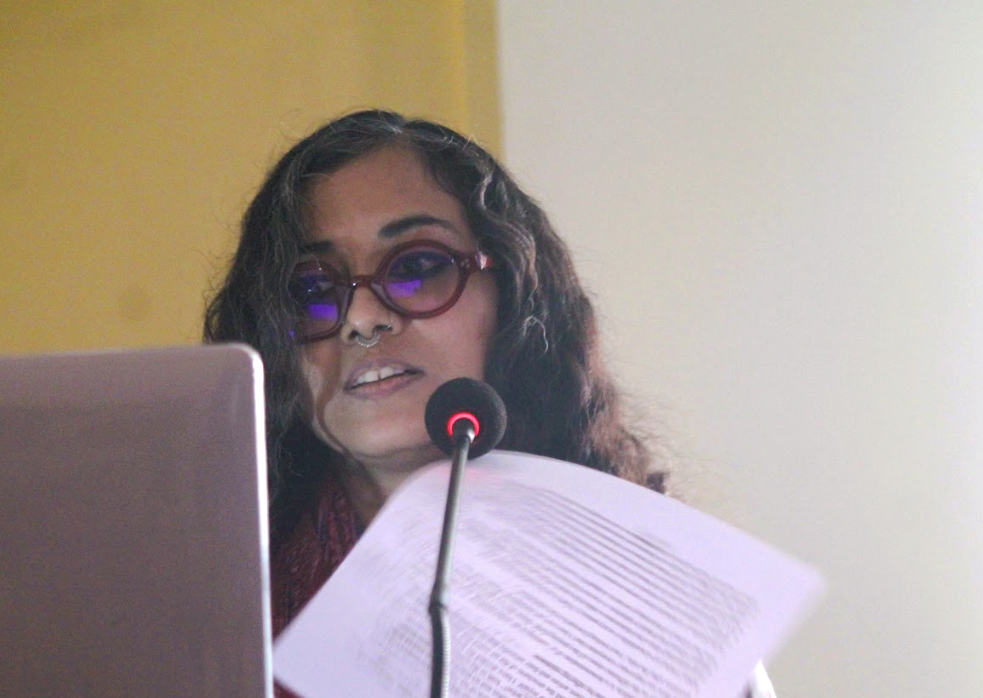
The fourth lecture “Language Literacy and Vulnerability: Translanguaging as Vulnerable Resistance” was delivered by Santosh Mahapatra. He examined the conceptual definitions of “language” and “literacy” in modern Indian contexts, drawing upon existing sociolinguistic scholarship that already views these ideas as socially and institutionally constructed. Building on Martha Alberta Fineman’s idea of universal vulnerability and the concept of a “linguistic precariat”, the lecture examined how certain forms of languages and their speakers are rendered vulnerable by various discursive modes and ideological regimes, especially within academia. Mahapatra contended that the practice of “translanguaging” may stand as an alternative linguistic practice accommodative of such speakers, and offers a form of “vulnerable resistance” to such attempts to delegitimize non-normative modes of language and literacy.
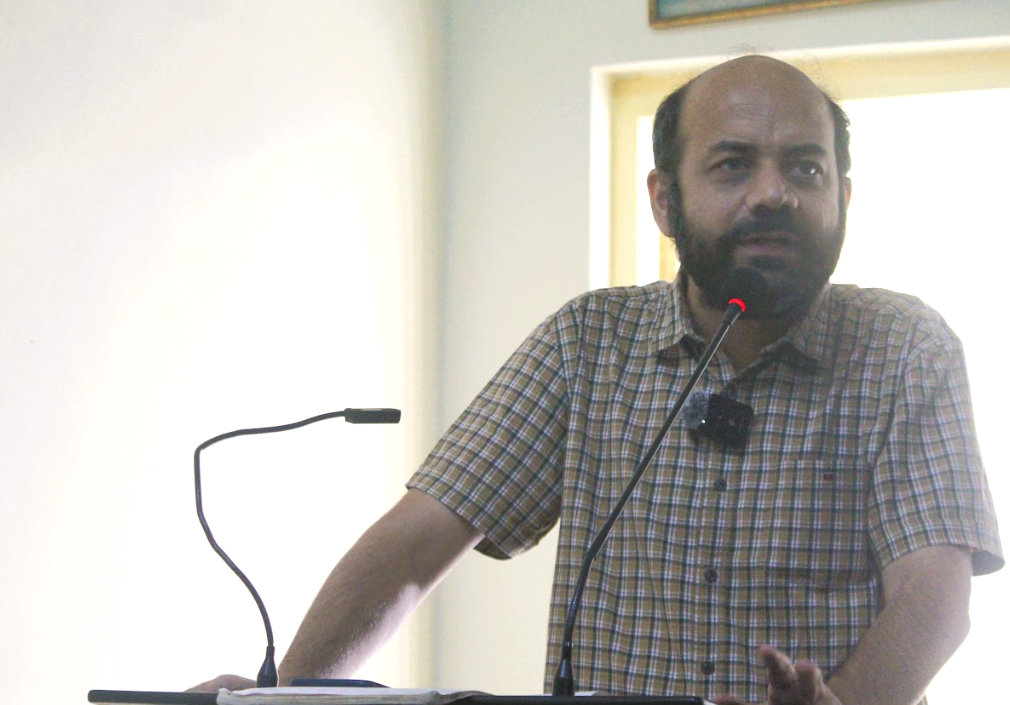
In the final session, “Portrayals of Mental Vulnerability in Popular Works of Fiction: Invoking the ‘Law in Literature’ Strand”, Sidharth Chauhan introduced the ‘Law in Literature’ approach, which studies how literary texts represent legal ideas, institutions, and the experiences of individuals affected by legal systems. Chauhan drew comparisons between two literary works: “Bartleby, the Scrivener” by Herman Melville and “Toba Tek Singh” by Saadat Hasan Manto to suggest that fictional narratives cultivate empathy and a deeper understanding of the human consequences of legal systems. Drawing on the ideas of Richard Posner, the talk outlined three approaches: ‘Law in Literature’, which examines representations of law in fiction; ‘Law as Literature’, which applies literary interpretive methods to legal texts; and ‘Law of Literature’, which studies legal regulations such as censorship and copyright affecting literary works. He also noted critiques of the ‘Law in Literature’ approach by arguing that fictional narratives often generalize complex political and ethical issues and may present limited or subjective experiences rather than systematic legal realities.
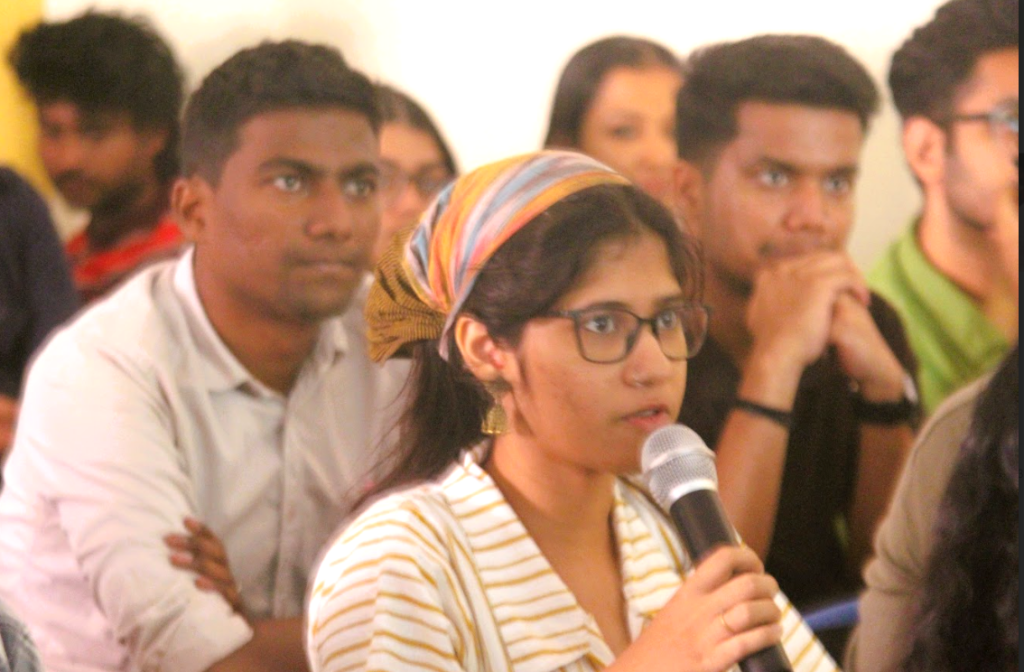
The event concluded with a formal vote of thanks delivered by Prof. Pramod K Nayar, following which several members of the audience interacted with the speakers.