
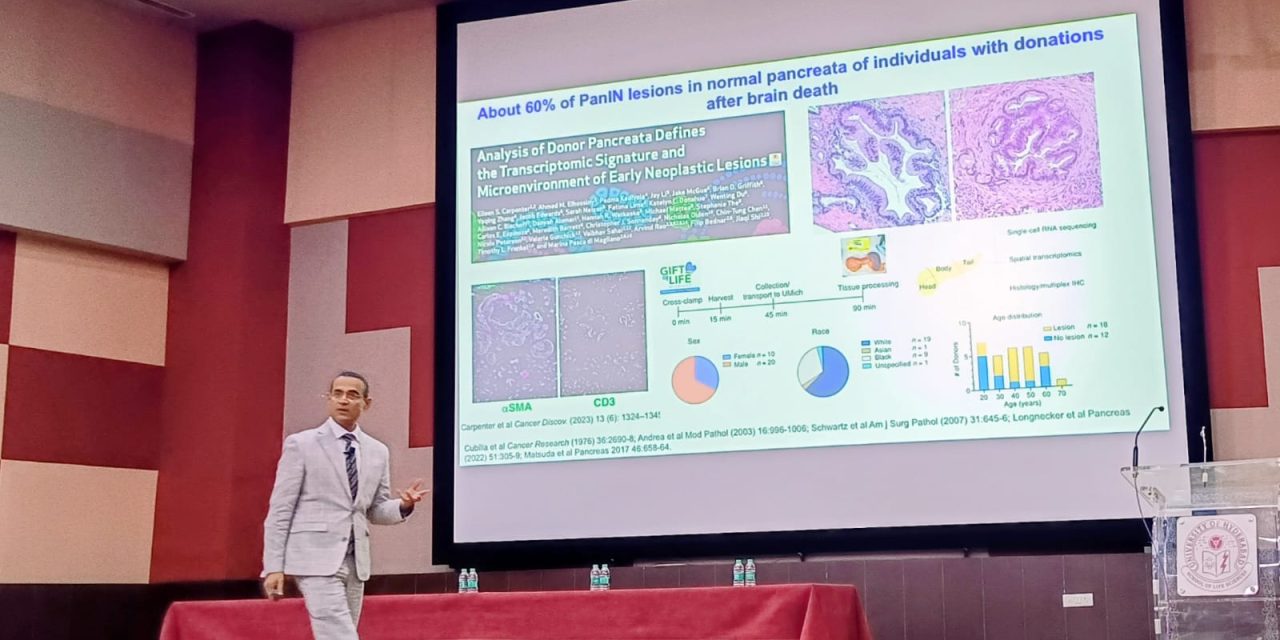
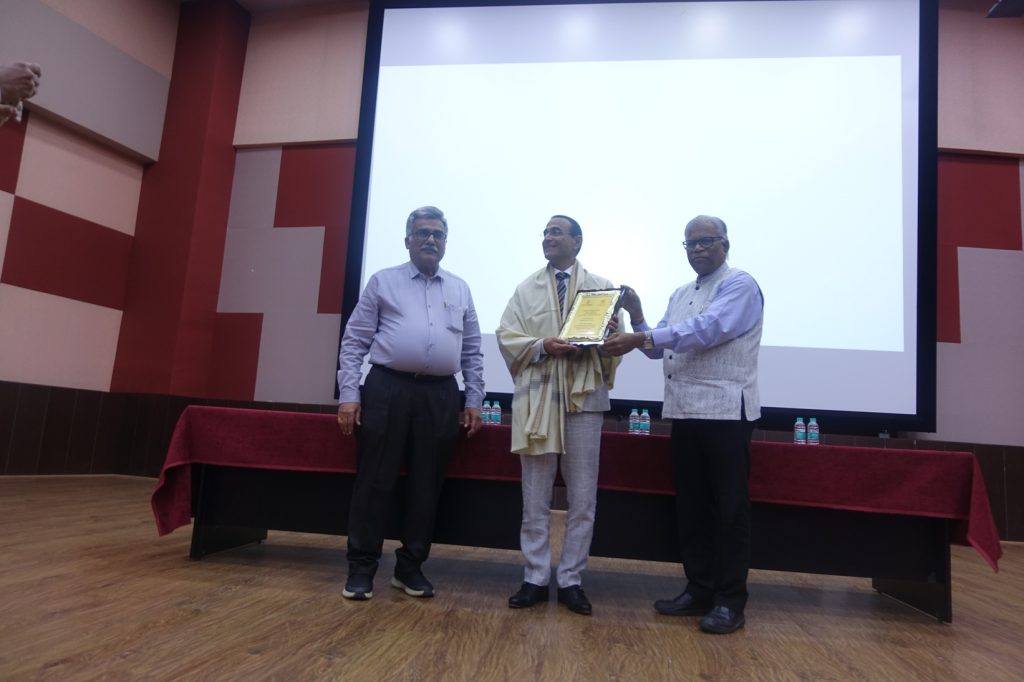
The University of Hyderabad, under the Institution of Eminence (IoE) hosts Golden Jubilee Distinguished Lecture on Cancer Prevention and Healthy Aging initiative, by Prof. Raghu Kalluri, Chairman of the Department of Cancer Biology at the University of Texas MD Anderson Cancer Center, at the School of Life Sciences Auditorium, University of Hyderabad.
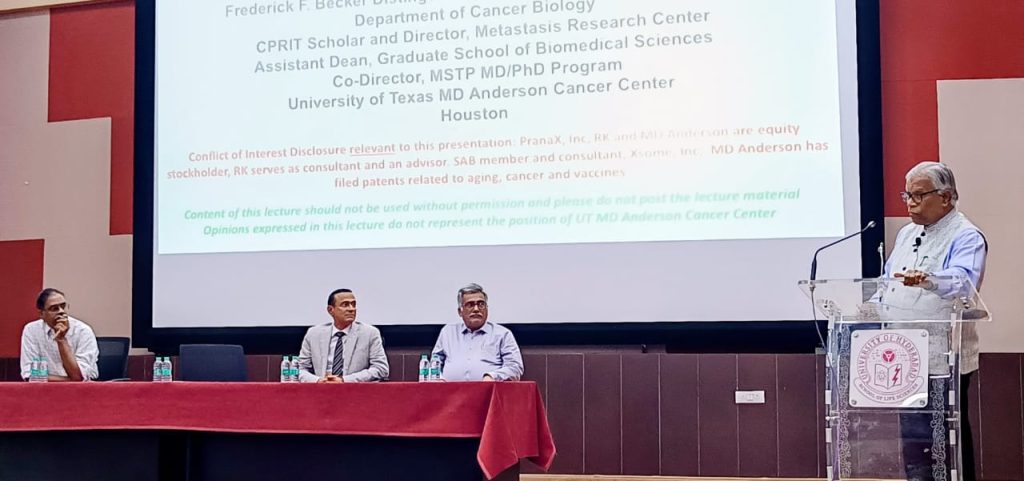
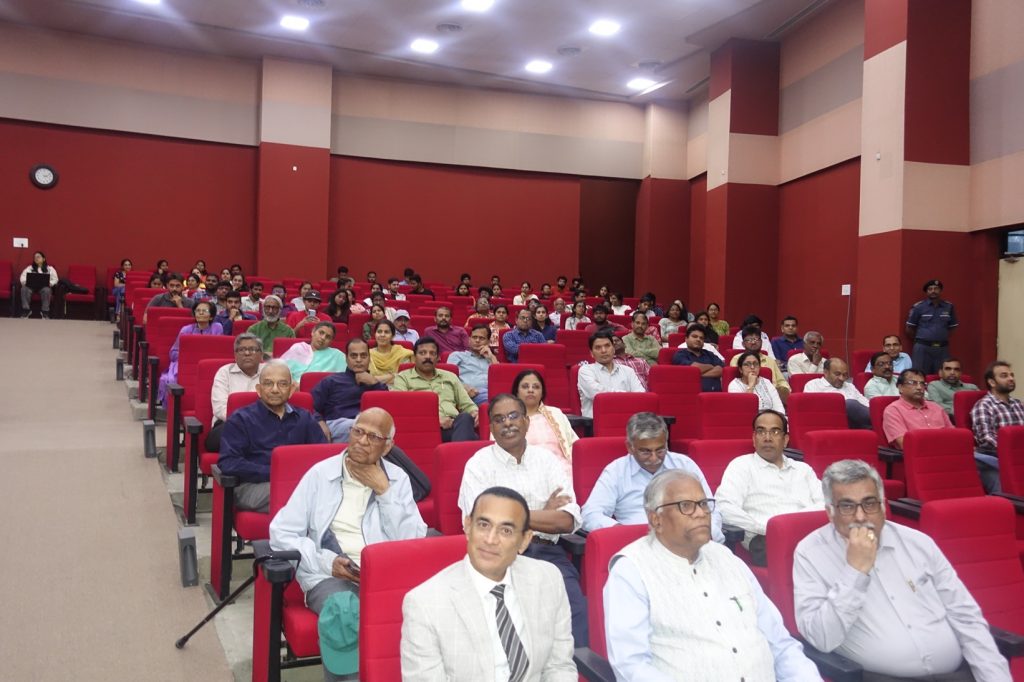
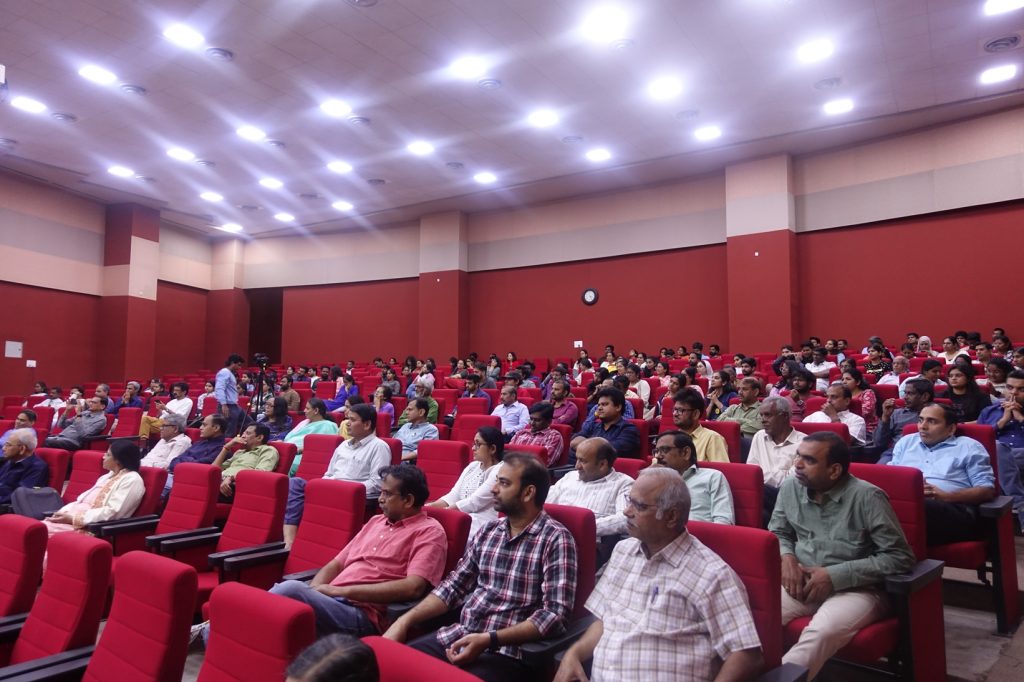
The lecture was attended by faculty members, researchers, students, officials, and staff of the university and was presided over by Prof. B. J. Rao, Vice Chancellor, University of Hyderabad.
In his presidential address, Prof. B. J. Rao, Vice Chancellor, stated that it was because of the Institute of Eminence initiative that the University of Hyderabad could host such internationally renowned scholars and facilitate high-level academic exchange.
The Head of the Institution of Eminence (IoE) highlighted the importance of world-class research infrastructure, funding support, and interdisciplinary collaboration, which enable institutions to attract global scientific leaders and advance cutting-edge research.
Prof. Anand K. Kondapi, Dean, School of Life Sciences, expressed that the university was fortunate to host Prof. Raghu Kalluri, who has spent considerable time engaging with the academic community. He also spoke about the journey and growth of the School of Life Sciences, highlighting its strong research focus on cancer biology, metabolic diseases, plant sciences, and interdisciplinary collaboration among researchers within the school.
Lecture Highlights
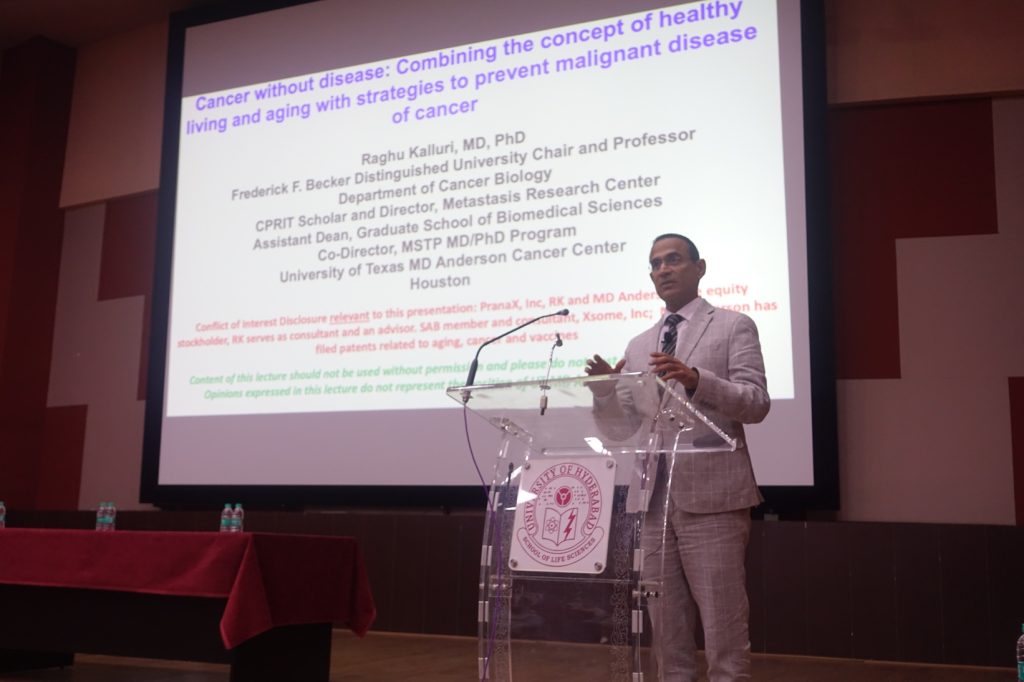
Delivering the lecture titled “Cancer Without Disease: Combining the Concept of Healthy Living and Aging with Strategies to Prevent Malignant Disease of Cancer,” Prof. Kalluri drew upon his 37 years of experience as a physician-scientist to provide a comprehensive understanding of cancer, immunity, and aging.
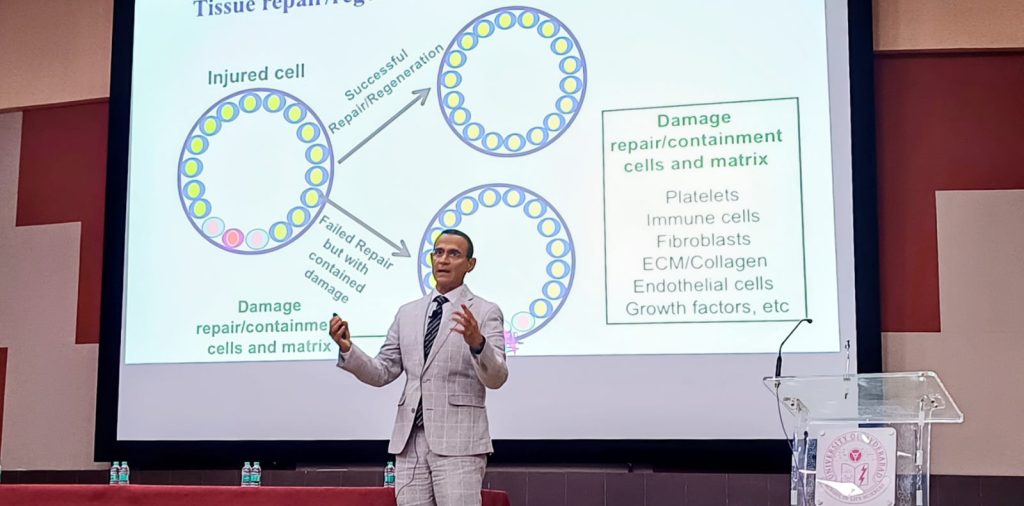
He explained that cells are constantly exposed to damage, a process referred to as cell insult, and that the human body continuously works to repair this damage. However, mutations that escape repair can gradually accumulate and lead to cancer.
Prof. Kalluri highlighted that the p53 gene, often described as the “guardian of the genome,” is the most frequently mutated gene in cancer. He noted that it typically takes 15–20 years for an uninjured or apparently normal cell to transform into cancer, often without any early clinical symptoms.
He cited examples such as breast and thyroid cancers, explaining how lesions can remain silent and undetected for years. He also discussed aneuploidy, a common cellular abnormality seen in various organs, which does not always result in disease.
Why Do Only Some People Develop Cancer?
Addressing why most individuals do not develop cancer despite accumulating mutations, Prof. Kalluri explained that cancer is fundamentally a genetic disease, but one that the body is often able to contain. Referring to research from the National Cancer Institute, he emphasized the body’s capacity to manage mutations and prevent them from progressing to clinical illness.
He described aging as a chronic biological process, during which mutations increase, but only a fraction lead to invasive cancer.
Role of Immunity in Preventing Cancer
Prof. Kalluri emphasized the critical role of the immune system in preventing cancer progression. He explained that the long 15–20-year window provides sufficient time for immune surveillance and repair mechanisms to eliminate or control damaged cells before they become malignant.
He stressed that maintaining strong immune function is central to cancer prevention, as immunity constantly monitors and suppresses abnormal cellular behavior.
Aging and Anti-Aging in Cancer Prevention
He further discussed the relationship between aging and cancer, explaining that declining repair mechanisms and immune function contribute to cancer risk. However, he emphasized that healthy aging and anti-aging mechanisms—such as efficient DNA repair, controlled inflammation, and metabolic balance—can delay or even prevent malignancy.
Prof. Kalluri highlighted that anti-aging strategies should be considered cancer-preventive strategies, shifting focus from disease treatment to long-term cellular and immune health.
Advances in Cancer Biology
Prof. Kalluri discussed key molecular drivers such as KRAS, a major gene involved in pancreatic cancer, and emerging approaches to target it therapeutically. He also spoke about the role of collagens and fibrosis in shaping the tumor microenvironment and influencing cancer progression.
Central to his lecture was the concept of “cancer without disease,” where cancer remains contained, dormant, and non-invasive. He noted that up to 35% of individuals over 40 years of age may harbor such contained cancers without ever developing clinical disease.
The lecture emphasized the need to rethink cancer prevention and treatment, focusing on immune resilience, healthy aging, and long-term containment of cancer, rather than exclusively on aggressive interventions.
The University of Hyderabad reaffirmed its commitment to academic excellence, interdisciplinary research, and global collaboration, and expressed its intention to continue hosting such impactful academic events.
– By Mahi Sharma, MA Communication (Media Studies)