
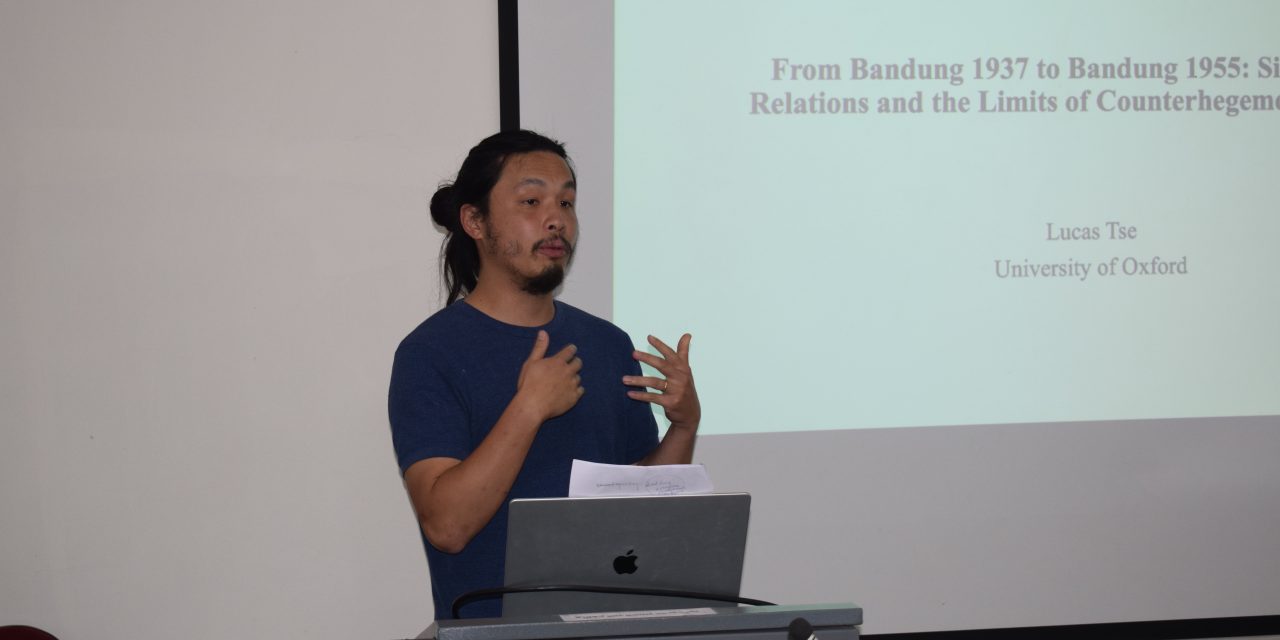
On January 30, 2026, the Department of Political Science organized a lecture titled “From Bandung 1937 to Bandung 1955: Sino-Indian Relations and the Limits of Counterhegemonic Politics” by Dr. Lucas Tse, Postdoctoral Researcher and Examination Fellow at All Souls College, University of Oxford. The event was organized at the Department Seminar Hall. Dr Aparna Devare, a faculty member from the department, chaired the session. Mr. Suryadev, an MA first year student introduced the speaker.
The talk examined the evolution of Sino-Indian interactions from the late colonial to the early postcolonial period, while situating it within the broader debates on imperialism, international order, and counterhegemonic politics. Using everyday objects such as chai (tea), he showed how colonial exchanges structured cultural and political interactions.
The core of the talk focused on two Bandung Conferences- 1937 and 1955, by analyzing the significant shift in perspective between the two countries. Bandung 1937, held in a colonial space, where most participants were not actually sovereign states, revealed deep concerns over representation and internal divisions within Indian and Chinese delegations. Identifying 1947 and 1949 as critical rupture points, the speaker argued that nation-states in the era of decolonization were shaped through international relations rather than the other way around.
Turning to Bandung 1955, Dr Tse challenged the romanticized image of Sino-Indian harmony. Despite cooperation between Nehru and Zhou Enlai, significant cleavages emerged, particularly over human rights due to divergent colonial legacies and ideological frameworks. Drawing on the work of authors such as Carsun Chang, he argued that the ideological contexts of nationalism and communism create a blind spot in Bandung’s counterhegemonic imagination. He concluded with reflections that, while Bandung didn’t fully succeed in creating a new world order, it did succeed in challenging racial superiority and foreign domination.
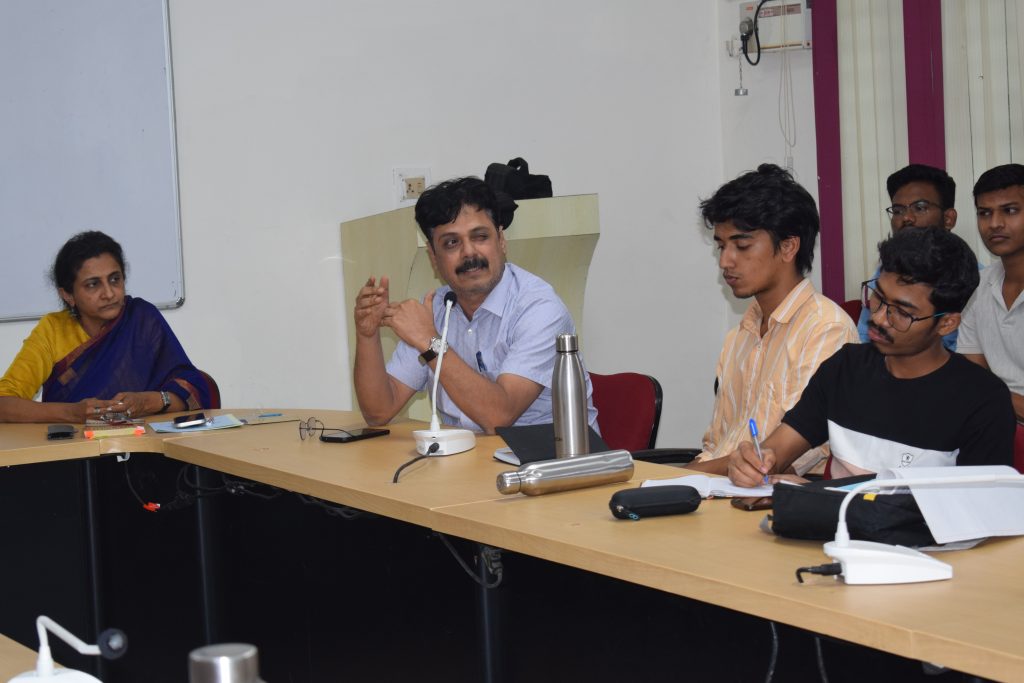
Following the main talk, Dr Bhim Subba offered his reflections. He emphasized the methodological significance of archival research in political science. He invited the speaker to reflect on whether the Chinese political parties’ paternalistic nature was mirrored in the Bandung conferences.
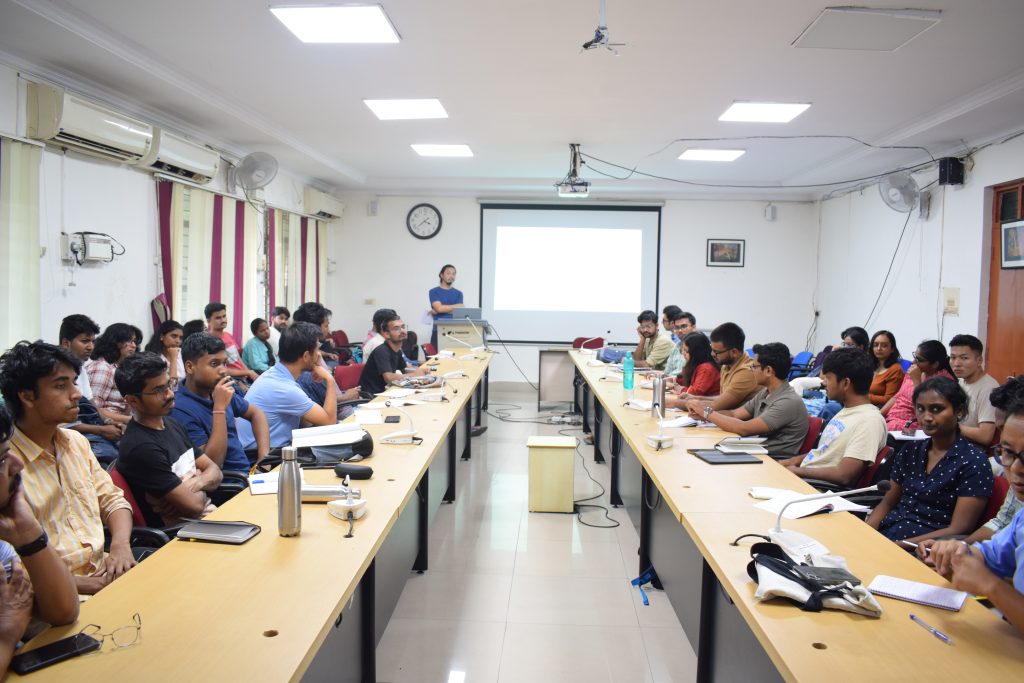
The Q&A session had a series of insightful questions on ideology, leadership, and the limits of counterhegemonic politics. Dr. Tse, in response, cautioned against rhetorical drowning and reinforced his central claim that Sino-Indian relations are best understood through their entangled colonial and postcolonial histories rather than through a lens of inevitable conflict. The session was closed by vote of thanks delivered by Ms. Karinka, a PG student in the Department.
-Report prepared by Deva Pandey, MA Second Year