
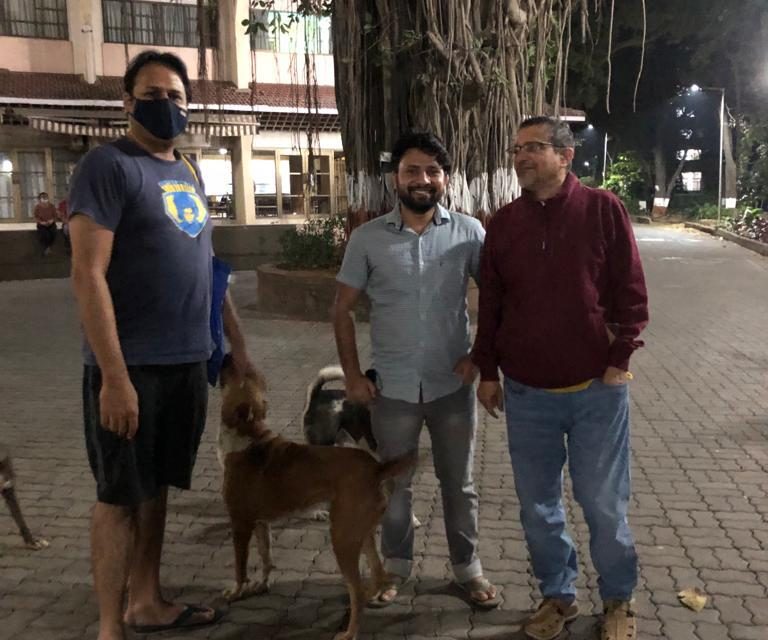
The relationship between farm size and productivity in India has been debated for more than sixty years now since Amartya Sen’s 1962 write-up. There have been results suggesting that there exists an inverse relationship between farm size and productivity while others have cautioned against such generalizations as they observe a positive relationship. Using nationally representative data from India, one observes the existence of inverse relationship in 2002-03 when Sarthak Gaurav and Srijit Mishra revisited the debate and in 2012-13 when Srijit Mishra and Kaushiki Singh examined scale neutrality. Working on the first wave of village-level data from India by International Crop Research Institute for the Semi-Arid Tropics (ICRISAT), a study points to the existence of inverse relationship even when one does a plot-level analysis.

With the availability of three-waves of village-level data spread across four decades, scholars from the Indian Institute of Technology Bombay, Rahul Singh and Sarthak Gaurav, collaborate with University of Hyderabad’s Srijit Mishra, Professor, School of Economics, to examine whether farm size and productivity has changed over time, in their recently published paper “Dynamic of Farm Size-Productivity Relationship: Evidence From Semi-Arid Tropics of India, 1975-2014” in Agricultural Economics.
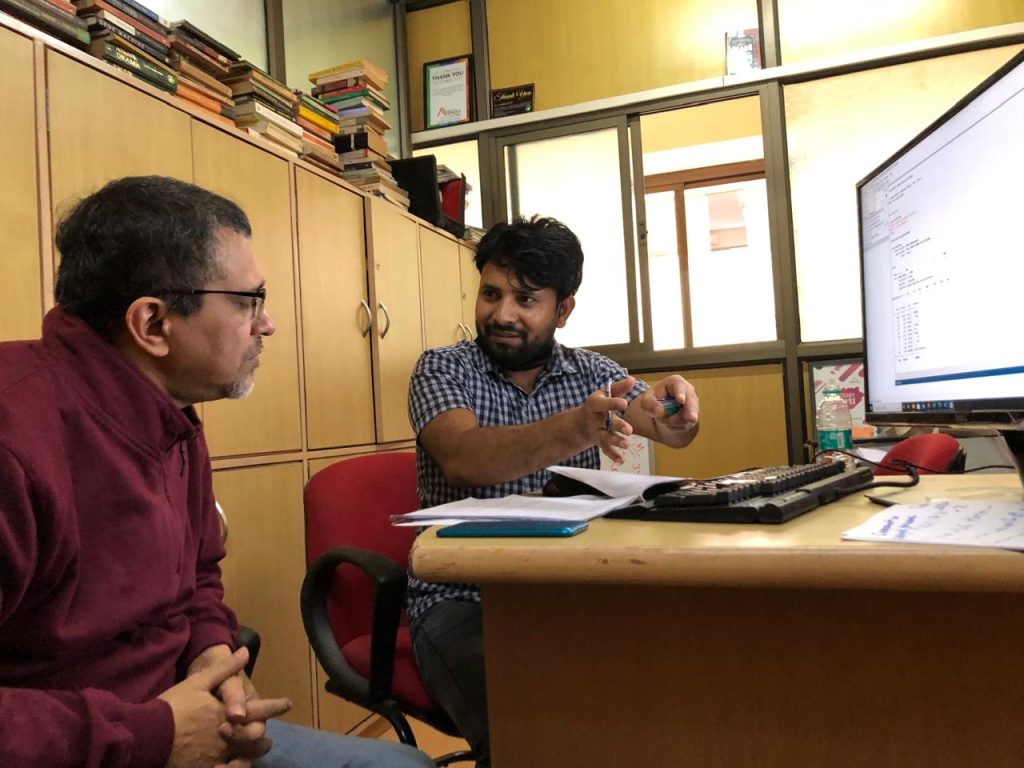
Rahul Singh and Srijit Mishra engrossed in the work (Picture Credit: Sarthak Gaurav)
They observe that for two measures of productivity (output value per acre and profit per acre) the inverse relationship has weakened over time, particularly during the second wave, which coincides with the crisis in Indian agriculture. They mention that this does not make larger farms inherently more productive. Rather, it brings out the interconnected nature of farm productivity and structural transformation that calls for nuanced policies. This study has recently been highlighted by Research Matters “Do Small Farms Outperform Big Ones? A Study Reveals Changes Over 40 Years in India”.
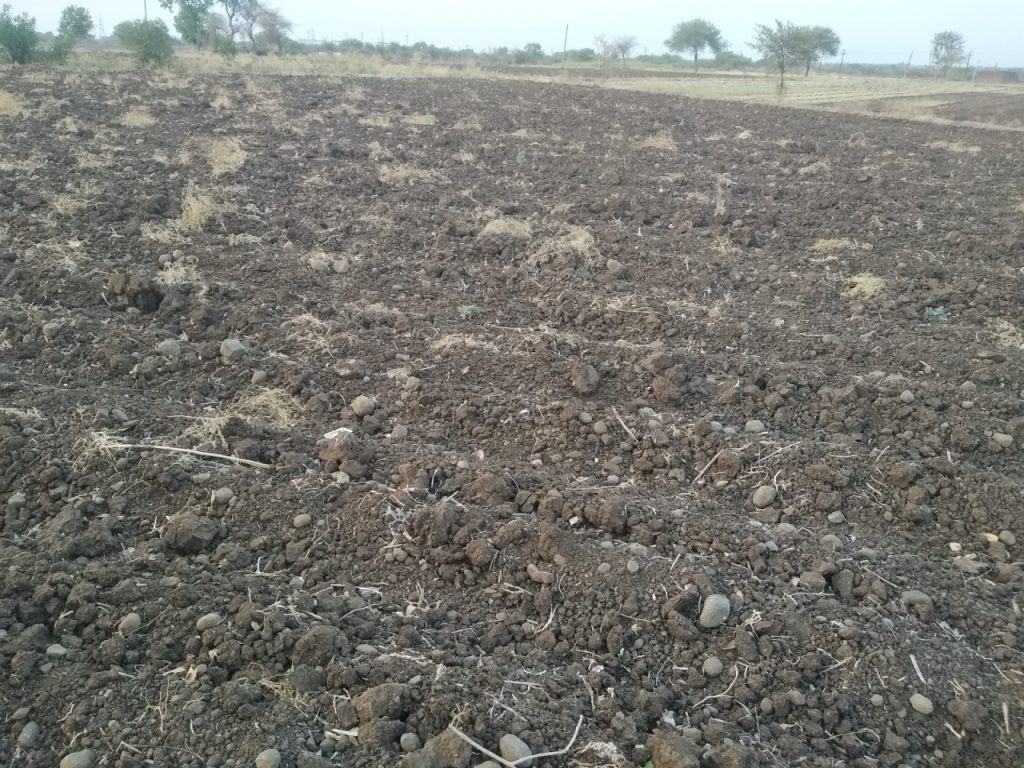
Smallholder farm in Kanzara after ploughing (Picture Credit: Rahul Singh)
On the making of the study, Professor Srijit Mishra mentions that “this paper is a continuation of intergenerational efforts, a collaborative exercise with three generation of scholars – his work on farmer’s suicides being a starting point for Sarthak Gaurav’s foray to Vidarbha and the latter’s work on accidental gamblers pulling in Rahul Singh to dwell into the role of social networks on productivity and risk sharing.”
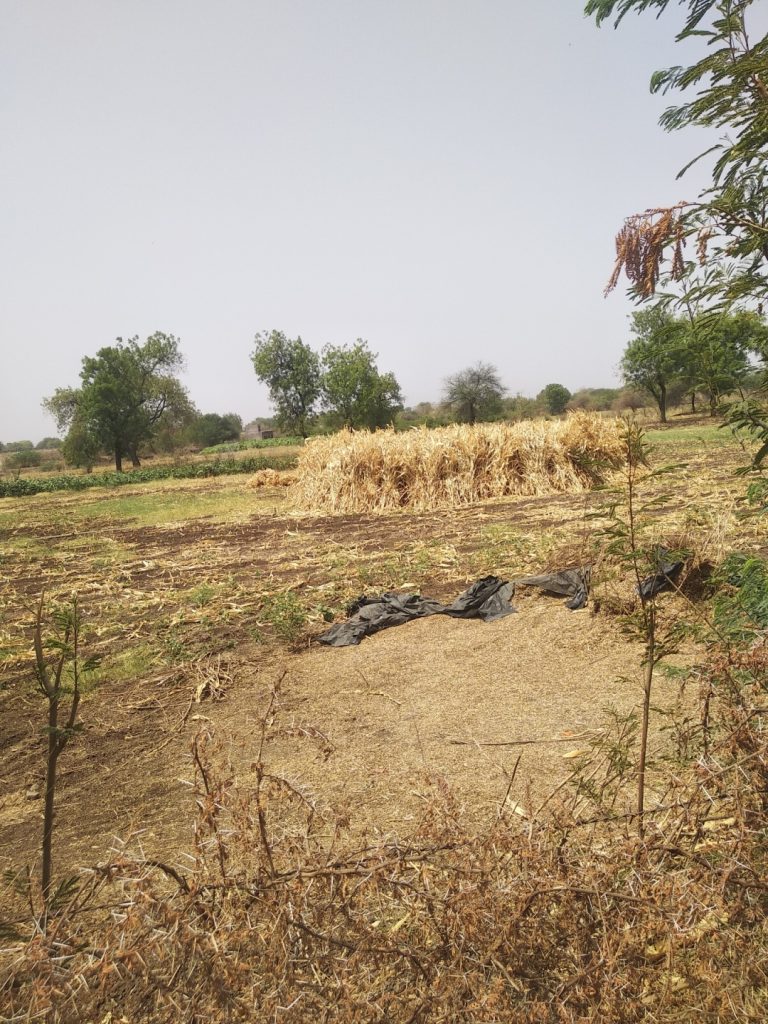
Smallholder farm in Kanzara after harvesting (Picture Credit: Rahul Singh)
He further points out that “this has bound the three generation of scholars to know more about what is happening in the semi-arid tropics over four decades, a journey of ups and downs.”