
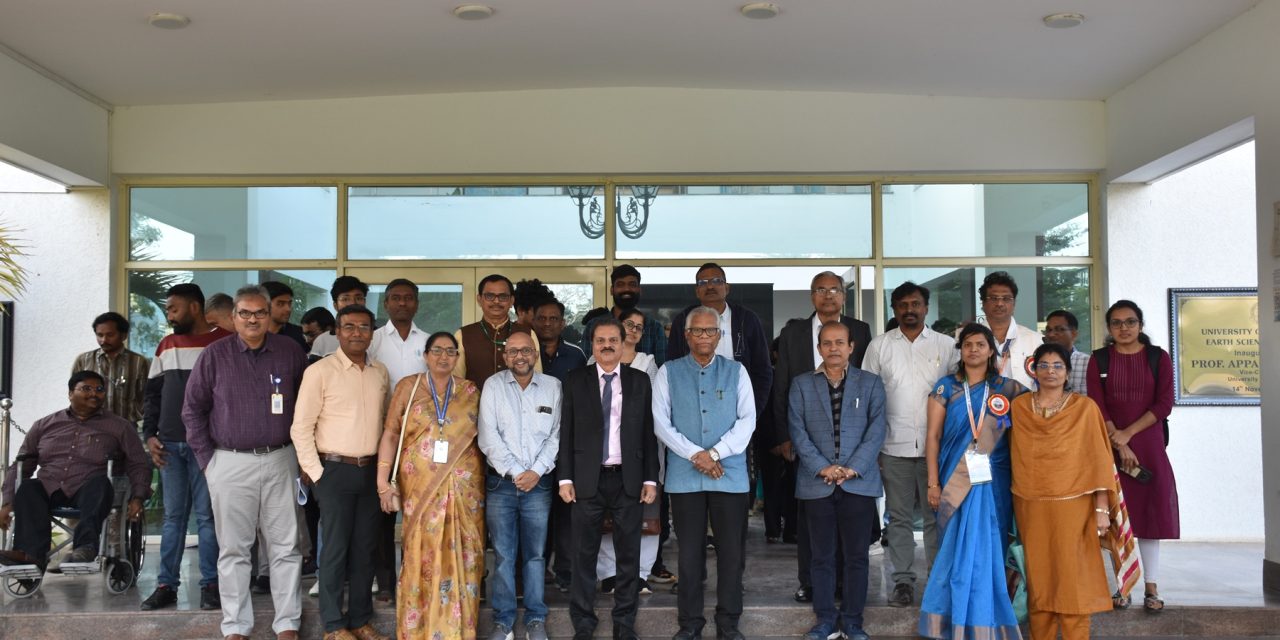
The Centre for Earth, Ocean and Atmospheric Sciences (CEOAS), University of Hyderabad (UoH) organized a special lecture by Dr. Mrutyunjay Mohapatra, Director General of Meteorology, India Meteorological Department, and Third Vice-President of the WMO. In his talk titled “Weather Forecasting and Warning Services in India,” Dr. Mohapatra—widely recognized as “The Cyclone Man of India”—highlighted India’s rapidly advancing capabilities in weather forecasting and disaster-risk reduction.
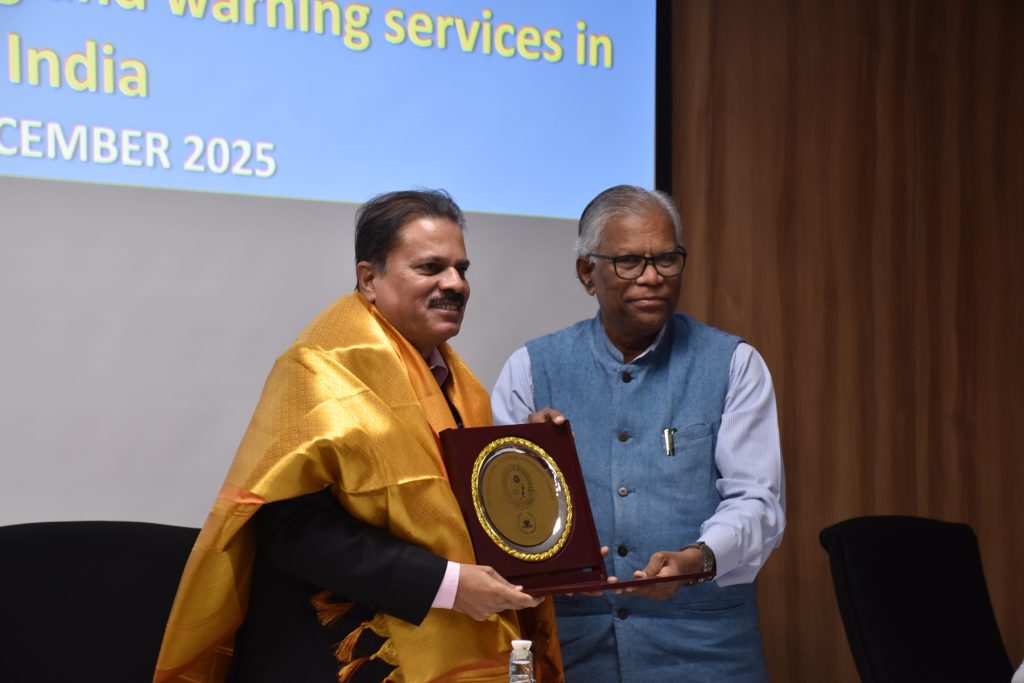
He emphasized that nearly 80% of India’s natural disasters are hydro-meteorological, stressing the importance of robust monitoring, accurate prediction, and effective early-warning dissemination. Dr. Mohapatra reviewed key technological advancements such as the End-to-End Cyclone Warning System, impact-based forecasting, the indigenous Decision Support System, and innovations like Mausam Gram, the Common Alert Protocol, and sector-specific services under UPHHEATT.
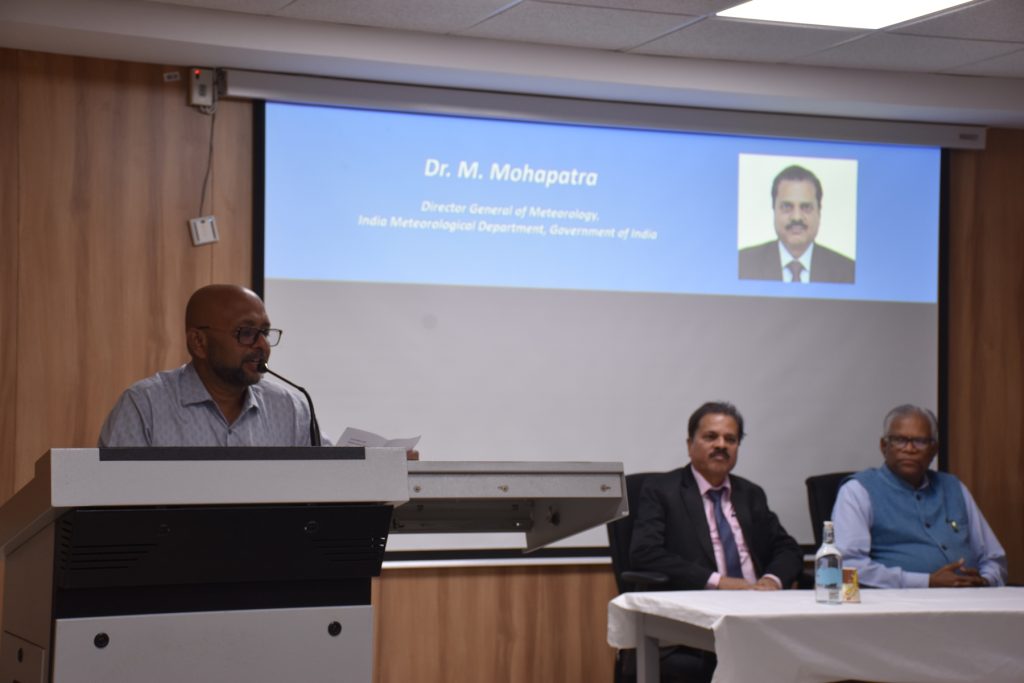
Noting a 40–50% improvement in forecasting skill over recent decades, Dr. Mohapatra underscored the need to further enhance mesoscale and local-level accuracy by 10–15% by 2030 to better protect communities.
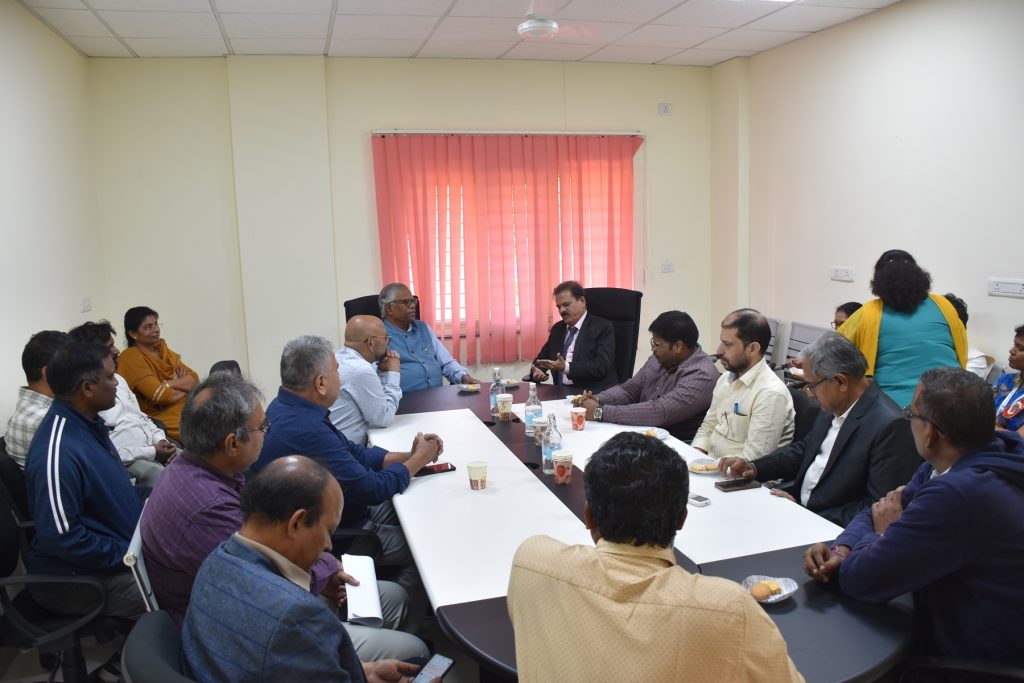
The session saw enthusiastic participation, with students actively engaging during the interactive discussion.
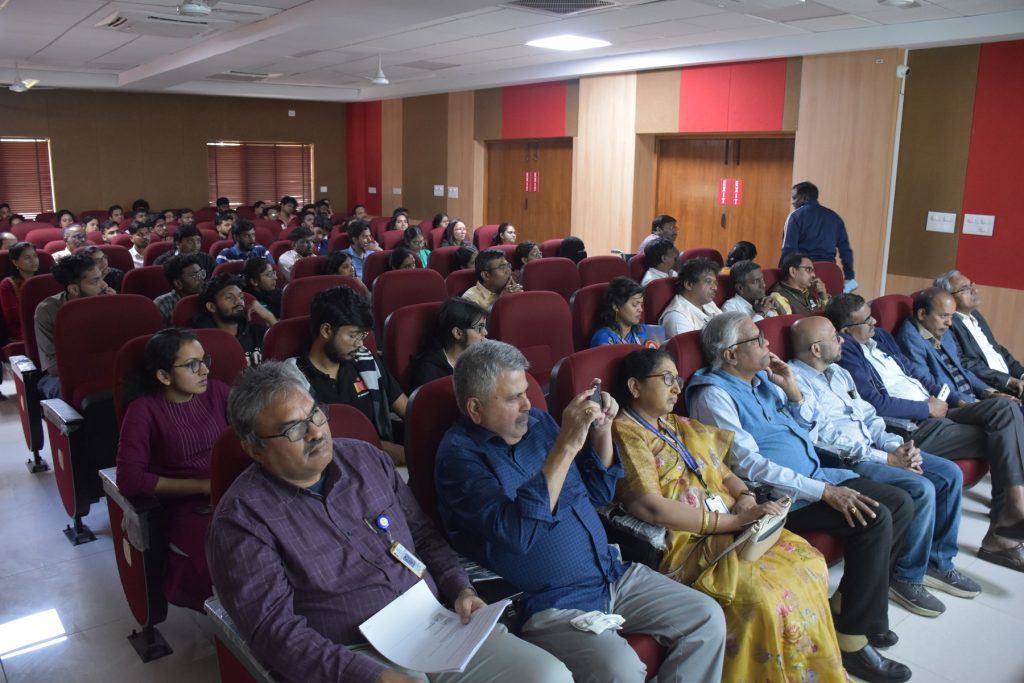
CEOAS expresses its sincere gratitude to Dr. Mohapatra for his insightful and inspiring lecture. The event was graced by Hon’ble Vice-Chancellor Prof. B. J. Rao and coordinated by Prof. Ashok Karumuri, CEOAS. In his remarks, Prof. B. J. Rao brought an interesting analogy between the human body and the Earth’s atmosphere, underscoring the life-saving importance of weather forecasting. He recalled how weather predictions underwent a significant shift over the last few decades. He elucidated that with 1,000 petaflops of computing power, coupled with strong analytical tools, future forecasting capabilities would be dramatically shaped.