
The Centre for Applied Linguistics and Translation Studies celebrated International Mother Language Day on 20 February 2026 with a day-long programme that brought together faculty members, Integrated Masters students, MA students, and PhD scholars in a celebration of linguistic diversity and multilingual expression. International Mother Language Day, observed annually on 21 February, recognizes the importance of preserving linguistic diversity and promoting multilingualism across the world. The theme for 2026, “Youth voices on multilingual education”, highlights the crucial role that young people play in defending, revitalizing, and using their languages through technology and education to promote linguistic diversity, inclusion, and better learning outcomes.
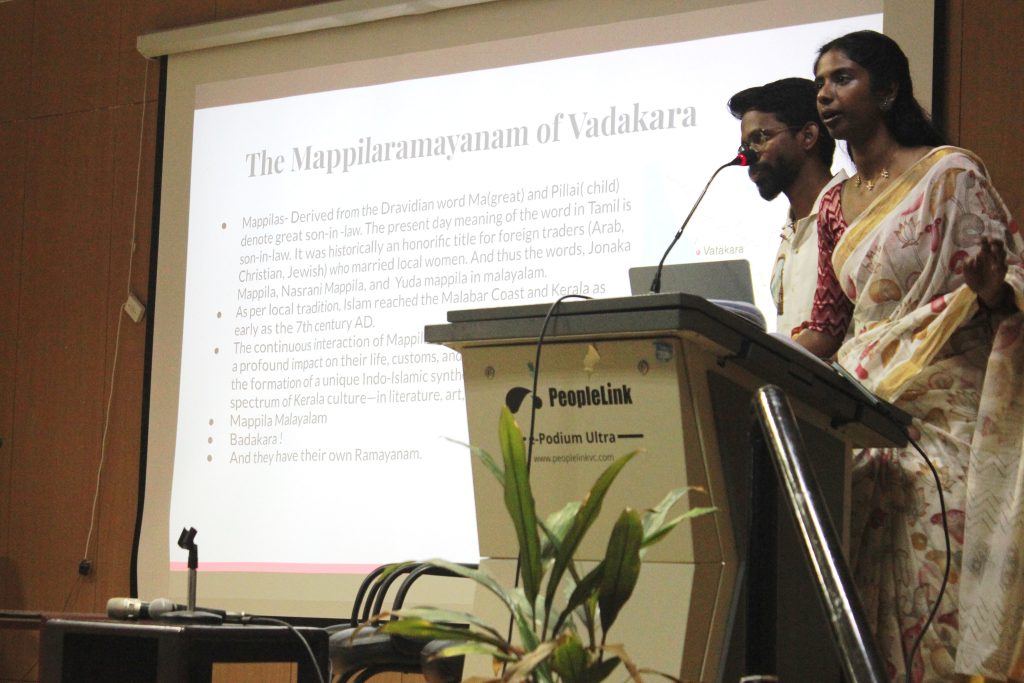
The event began with a brief welcome address and opening remarks by the Head of the Department, who highlighted the significance of mother languages in shaping cultural identity and academic engagement. The programme then featured presentations by MA students, including “We Thought We Knew: Rethinking Meaning,” which explored how meanings are interpreted and negotiated across languages and contexts, encouraging the audience to reconsider commonly held assumptions about language and interpretation. PhD scholars presented “The Curious Case of Mappila Ramayanam,” which examined the distinctive retelling of the Ramayana within the Mappila Muslim cultural tradition of Kerala and reflected on how literary narratives transform as they travel across linguistic and cultural communities.
Several interactive activities encouraged active participation from the audience. Language games conducted by Aritri engaged participants in playful linguistic challenges, while a linguistics quiz organized by Sreenath and team tested participants’ knowledge of languages and linguistic concepts, generating enthusiastic responses from students and faculty alike. A translation game conducted by Riya also invited participants to explore the creativity and challenges involved in translating across languages.
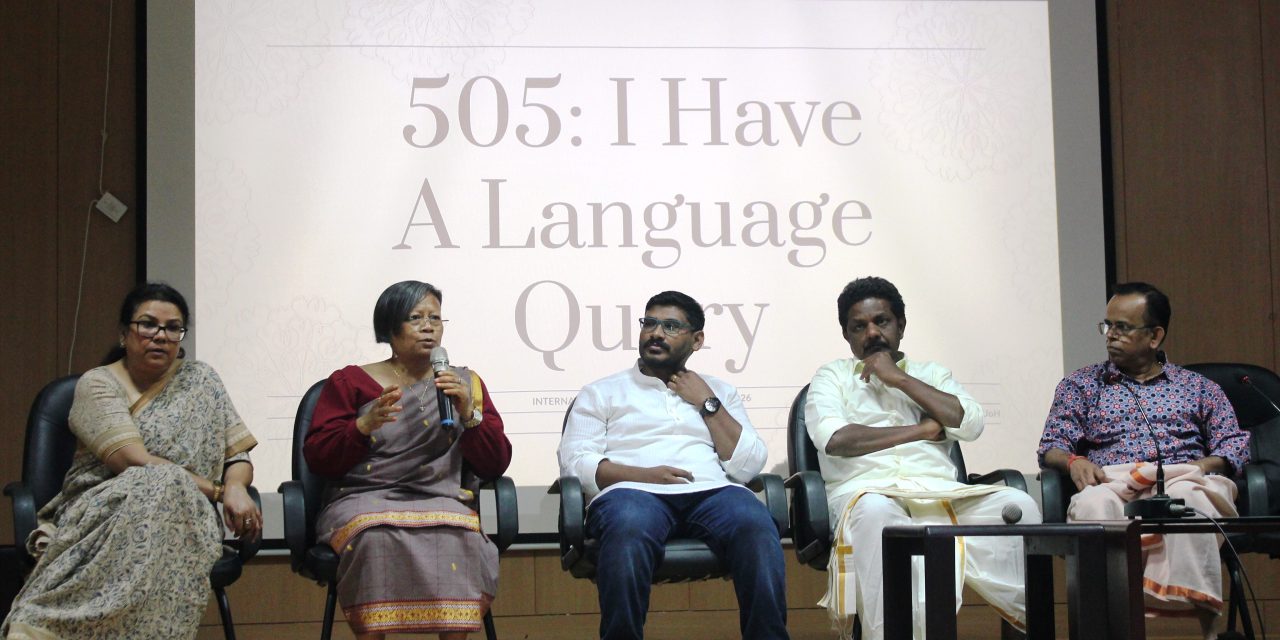
An interactive segment titled “505: I Have a Language Query” invited participants to think about intriguing linguistic questions and everyday curiosities related to language use. Musical performances further enriched the event, including a Malayalam folk song performed by Arya and group and a Sora song performed by Opino Gomango, both of which highlighted the cultural richness embedded within different linguistic traditions.
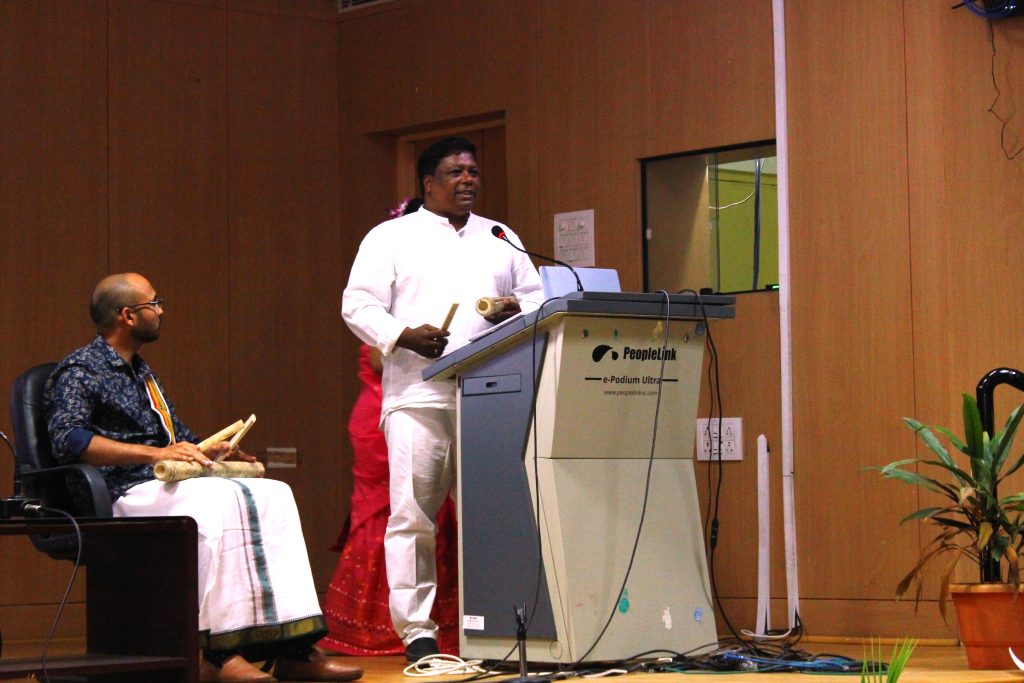
A special highlight of the celebration was a multilingual poetry recitation segment in which participants presented poems in their respective mother tongues. Languages represented included Lambadi, Awadhi, Mizo, Assamese, Tamil, Chokri, Odia, Khasi, Kurux, Dakhni, and Telugu. Through these recitations, participants shared literary expressions from their linguistic traditions, creating a space for the appreciation of diverse poetic voices and cultural heritage.
The programme also featured several cultural performances that added vibrancy to the celebration. PhD scholars led by Aditi presented a group dance, followed by a dance performance by MA students led by Malavika. A semi-classical dance performance by Malavika further contributed to the festive atmosphere of the event. The programme concluded with a vote of thanks, acknowledging the contributions of all organizers, performers, and participants who made the celebration possible.
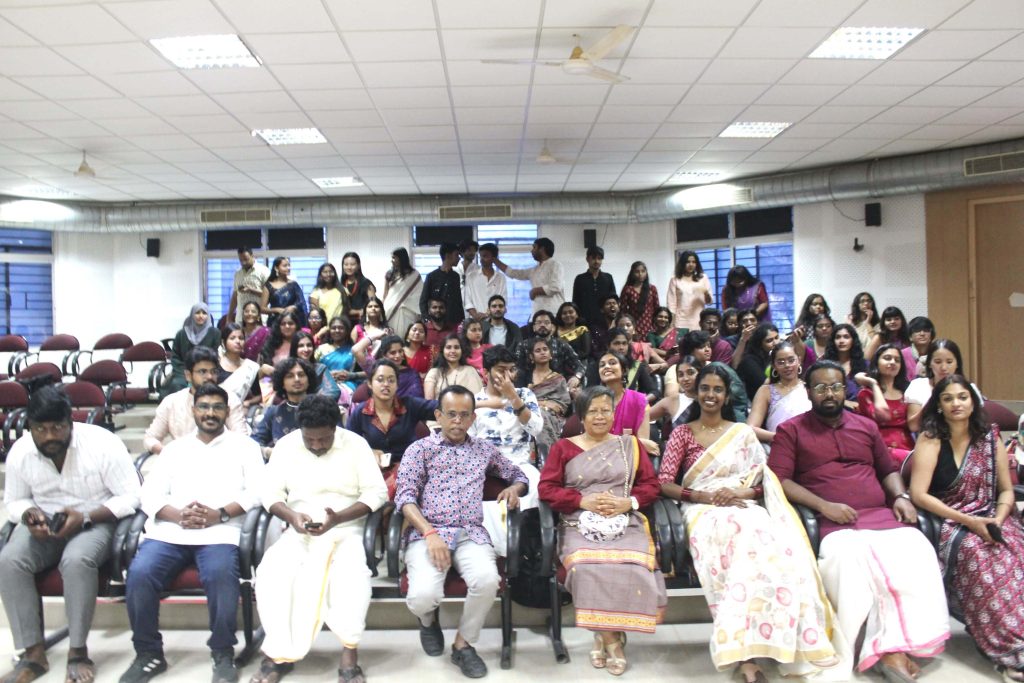
The celebration served as a vibrant platform for reflecting on the importance of mother tongues and multilingualism, while echoing the spirit of the 2026 theme by highlighting the role of students and young scholars in sustaining and celebrating linguistic diversity.