

In his research paper titled “Ties that bind: India and Southeast Asia relationships through civilizational connections,” Dr. Anshuman Behera examines how India’s historical and socio-cultural linkages with Southeast Asia transcend traditional Western theoretical constructs such as hard/soft power and cultural diplomacy. The author contends that Western frameworks often instrumentalize culture as a diplomatic tool for narrow, power-driven national interests, whereas India’s foreign policy reflects a seamless blend of nationalism and internationalism grounded in civilizational values. Tracing the relationship from its disruption during colonial rule and its post-independence evolution during the Cold War—where India prioritized non-alignment, anti-imperialism, and peaceful coexistence over military alliances—the paper highlights how shared history and mutual respect have consistently undergirded India’s regional engagement.
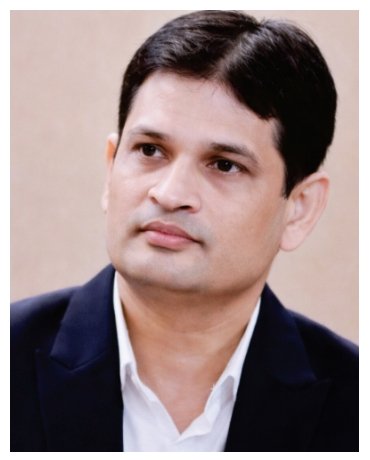
Building on this foundational ethos, the paper assesses the shift from the Look East Policy (LEP) to the more proactive Act East Policy (AEP), characterizing this transition as a form of “pragmatic idealism”. Under the AEP, India has significantly deepened its security, defence, connectivity, and trade ties across the Indo-Pacific, while simultaneously elevating people-to-people connections through cultural restoration and educational linkages. However, Dr. Behera critically notes that the AEP faces ongoing structural challenges, including trade deficits, implementation delays in infrastructure projects, and limited economic integration compared to major regional players like China. Ultimately, the study concludes that for India to realize its full strategic potential in Southeast Asia, it must effectively align its deep-rooted civilizational goodwill with contemporary geopolitical and economic realities.
https://link.springer.com/article/10.1007/s10308-026-00789-w#citeas