
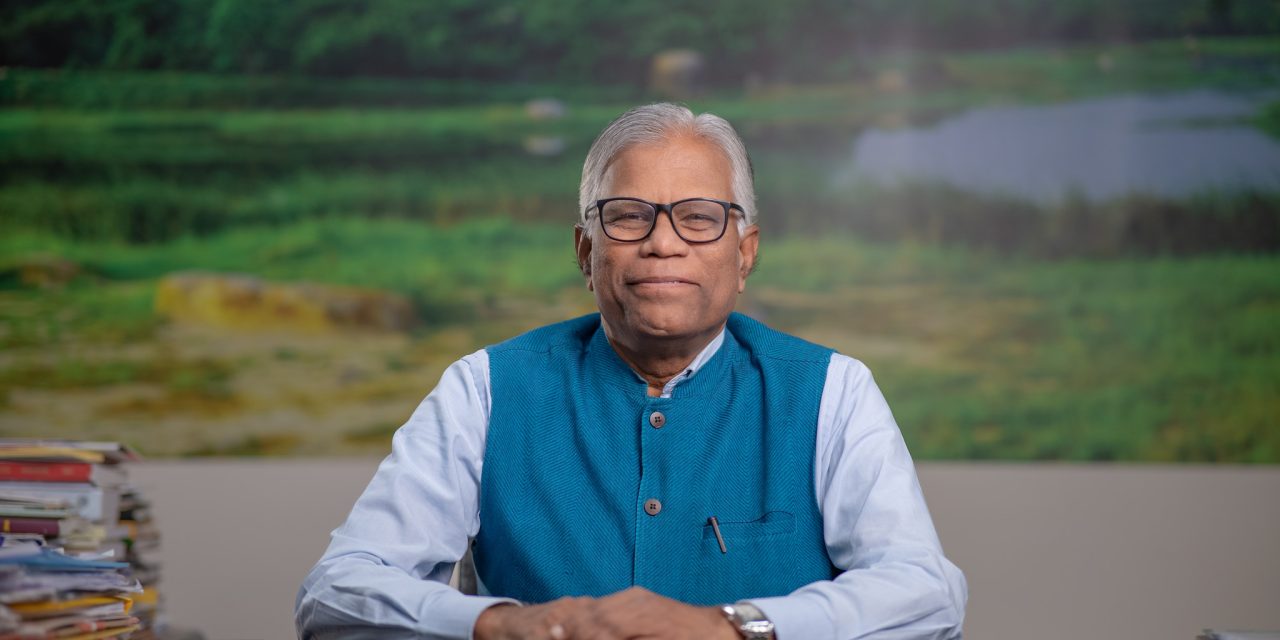
A Moment of Transition and Leadership
Professor Basuthkar Jagadeeshwar Rao, who assumed office as the 10th Vice-Chancellor of the University of Hyderabad in July 2021, led the institution during a defining phase in its evolution. His tenure came at a pivotal moment when the University, already recognized as one of India’s premier public institutions, was poised to transition into a globally competitive research university. Having completed his tenure in March 2026, Prof. Rao’s leadership marks the most recent chapter in the University’s Vice Chancellor Series—one shaped by scientific rigor, institutional reform, and a clear commitment to leveraging national initiatives for global academic positioning.

Bringing with him decades of experience in molecular biology and interdisciplinary science, Prof. Rao approached university administration with the precision of a researcher and the scale of a visionary. His tenure was guided by a central objective: to fully implement the University’s commitments made in the Memorandum of understanding on award of the Institution of Eminence (IoE) status. The primary objective was to modernize the University of Hyderabad and strengthen its standing in global academic rankings.
Academic and Research Pedigree
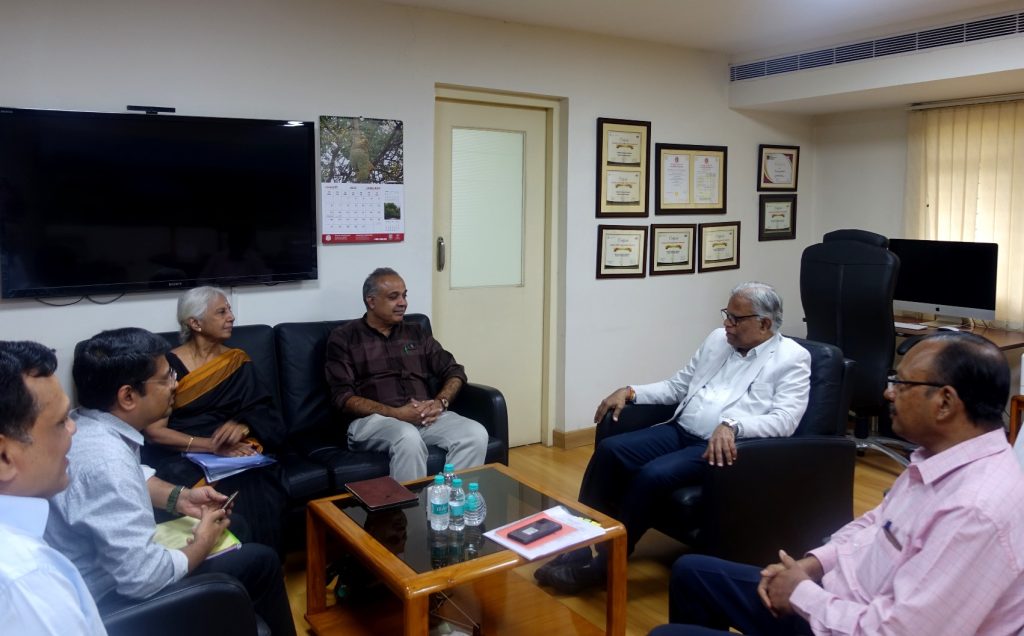
Before taking over as Vice-Chancellor, Prof. Rao had built a distinguished academic career across some of India’s leading research institutions. He served for several years at the Tata Institute of Fundamental Research (TIFR), Mumbai, where he rose through the ranks from Reader to Professor and later became Chair of the Biology programme. At TIFR, he led the Mechanism of Genome Dynamics and Cellular Adaptations Laboratory, contributing significantly to understanding genome biology and cellular regulation.
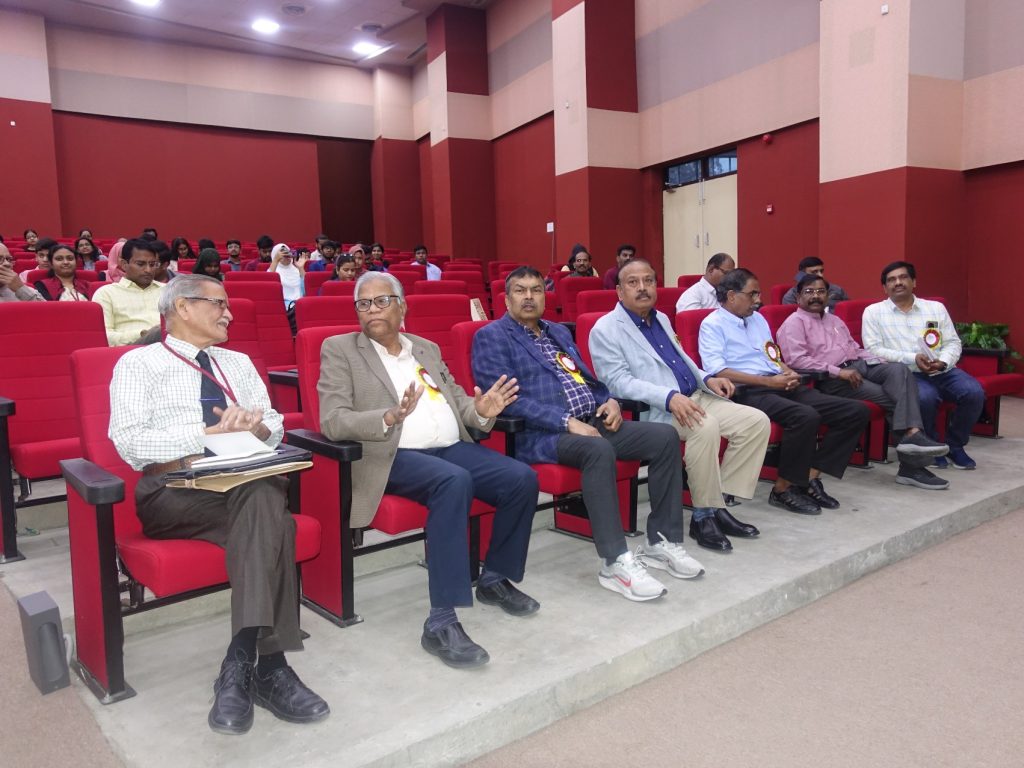
Following his long tenure at TIFR, he joined the Indian Institute of Science Education and Research (IISER), Tirupati as Senior Professor and Chair of Biology before assuming office at the University of Hyderabad. His academic journey began with a B.Sc. from Nizam College and an M.Sc. from Osmania University, where he secured university gold medals, followed by a Ph.D. in Biochemistry from the Indian Institute of Science, Bangalore. He subsequently pursued postdoctoral research at the Yale University School of Medicine, working as a research scientist for approximately seven years before returning to India.
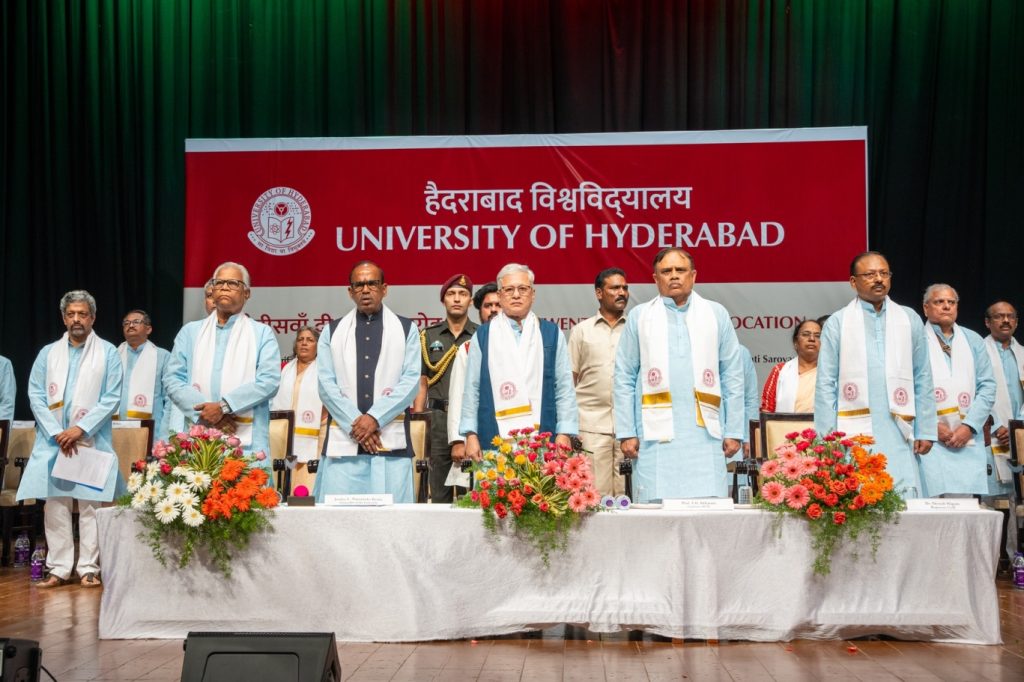
Prof. Rao’s research spans the molecular basis of genome dynamics, DNA repair mechanisms, computational biology of genomes, protein active sites, cellular physiology, and metabolism. His work reflects a deeply interdisciplinary approach, integrating biology with physics, chemistry, and computational sciences. He has published extensively, with more than one hundred and thirty peer-reviewed research papers and significant citation impact, reflecting sustained contributions to the field.

Scientific Philosophy and Academic Engagement
A defining feature of Prof. Rao’s academic outlook is his belief that university leadership must remain rooted in active scholarship. He has consistently emphasized that a strong research culture emerges when administration is guided by intellectual inquiry rather than detached governance. His teaching and outreach engagements, including his work as a DST-Inspire teacher, reflect his commitment to communicating the excitement of basic biology to younger generations.
He views biology as a complex manifestation of the underlying principles of physics and chemistry operating within dynamic systems, and this perspective has informed both his research and his administrative decisions. His academic engagement has extended beyond laboratories into public lectures, policy discussions, and outreach initiatives aimed at nurturing scientific thinking.
Vice Chancellorship and the IoE Mandate
At the heart of Prof. Rao’s tenure as Vice-Chancellor was the strategic leveraging of the Institution of Eminence (IoE) status, which had been granted to the University of Hyderabad prior to his term. Recognizing that the IoE status represented not merely recognition but a significant opportunity, he approached it as a transformative framework for institutional development.
Prof. Rao’s vision for the University as an IoE was to emerge as a model higher education institution, that bridged the gap between the Indian higher education ecosystem and global university rankings such as QS and Times Higher Education. Under his leadership, the University began aligning its academic and research priorities with global benchmarks, focusing on long-term structural improvements rather than short-term metrics.

Central to this vision was the move away from traditional departmental silos toward inter and multi-disciplinary research clusters, enabling collaboration across scientific domains. The award of the ANRF PAIR program to university as a hub with six spoke institutions and more than 170 investigators cutting across disciplines epitomizes this philosophy. He also emphasized global connectivity, facilitating international academic exchanges and strengthening partnerships with global institutions. At the same time, efforts were directed toward building advanced infrastructure, including the development of centralized instrumentation facilities, ensuring that high-end research tools were accessible across disciplines.
Strengthening Research Ecosystems
Prof. Rao’s tenure saw a significant push toward enhancing research capabilities through targeted use of IoE resources. Investments were made in high-end scientific equipment that individual departments could not independently acquire, thereby fostering shared research ecosystems.
Institutional initiatives such as expansion of the ASPIRE (Association for Scientific Pursuits in Innovative Research Enterprises) incubation ecosystem contributed to strengthening the University’s research and innovation framework. He also supported the introduction of internal funding mechanisms such as the P. D. Sahare Research Grants and faculty startup grants, encouraging young researchers to pursue high-risk, high-reward research ideas.

A notable shift during this period was the emphasis on improving the quality of research publications, with a focus on publishing in high-impact journals rather than increasing publication volume. This contributed to enhancing the University’s research visibility and citation impact.
Infrastructure and Campus Modernization
The period of Prof. Rao’s leadership was marked by significant physical and digital transformation of the University campus. Utilizing IoE funding, several infrastructure projects were undertaken, including the construction of new academic buildings to accommodate increasing student strength. Funding the research programmes of more than 170 faculty members, including a special drive for SC/ ST/ Women/ PwD faculty members, highlighted his desire to improve the quality of research.
Efforts toward digital transformation included upgrading the campus IT infrastructure, ensuring high-speed connectivity and improved access to global academic resources. In parallel, attention was given to sustainability through green campus initiatives, including improved waste management systems and integration of solar energy solutions, aligning institutional growth with environmental responsibility.
Innovation, Industry Linkages, and Entrepreneurship
Prof. Rao placed strong emphasis on bridging the gap between academic research and real-world application. Under his leadership, the University strengthened its role within Hyderabad’s larger innovation ecosystem, particularly in connection with the region’s prominence as a biotechnology hub. A unique policy, in the University system of the country, to enhance academia-industry engagement was formulated during his tenure. Termed as the Co-working spaces for Research, Entrepreneurial and Academic activities (CREAA) policy, the aim was to enable industries, SMEs and startups to initiate their R&D activity on campus in designated spaces, thus creating new avenues of internships for the University’s students while generating the necessary internal resources to sustain the activity.

The Technology Business Incubators and ASPIRE ecosystem were further developed to support innovation and entrepreneurship among students and faculty. Industry–academia collaborations were actively promoted through partnerships with pharmaceutical and technology companies, enabling students and researchers to engage with practical, real-world challenges. Prof. Rao’s vision for the University to contribute effectively to the sustainable development goals resulted in the first not-for-profit section 8 company in the University system of the country focusing entirely on the SDGs.
He also worked toward streamlining processes for patent filing and intellectual property management, ensuring that research outcomes could be effectively translated into innovation and commercialization.
Governance, Challenges, and Institutional Reform
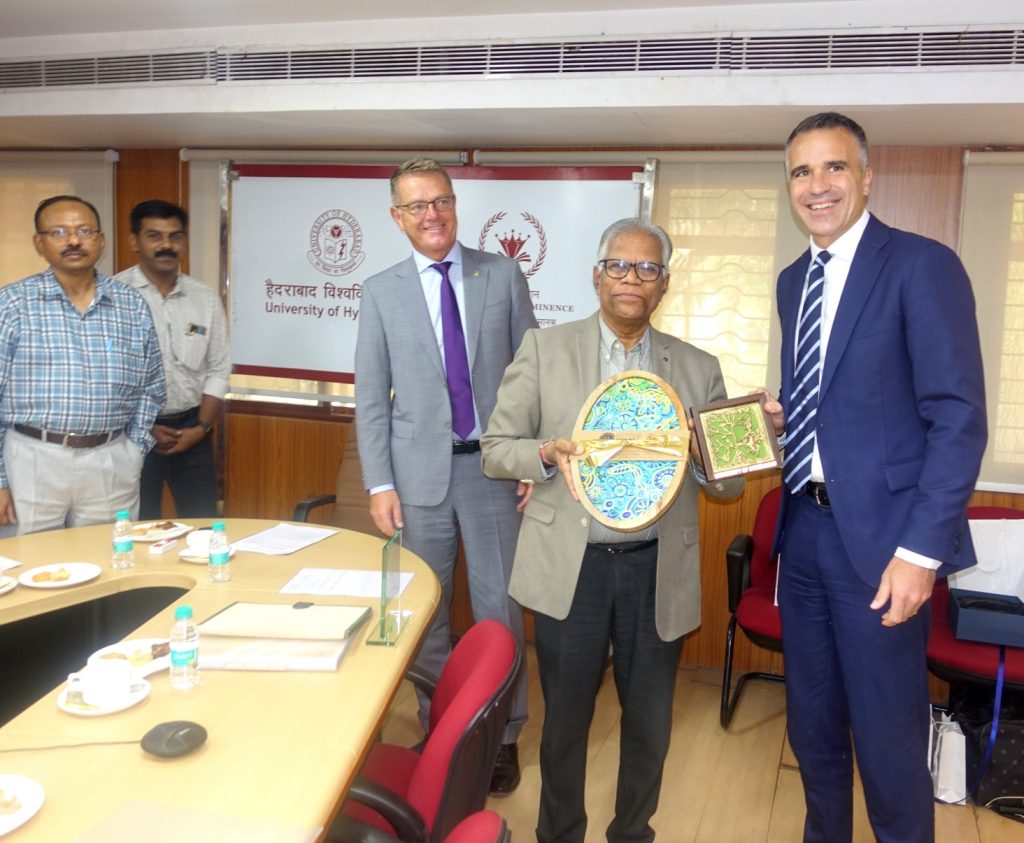
Leading the University of Hyderabad, often described as a “mini-India” for its diversity, required navigating complex administrative and social dynamics. Prof. Rao’s tenure included the period of post-pandemic academic recovery, during which he ensured continuity in academic activities despite global disruptions.
He placed emphasis on student welfare, including improvements in hostel infrastructure and the strengthening of mental health support systems. At the administrative level, he introduced more transparent e-governance mechanisms for faculty recruitment and institutional processes, aiming to reduce bureaucratic delays and improve efficiency.
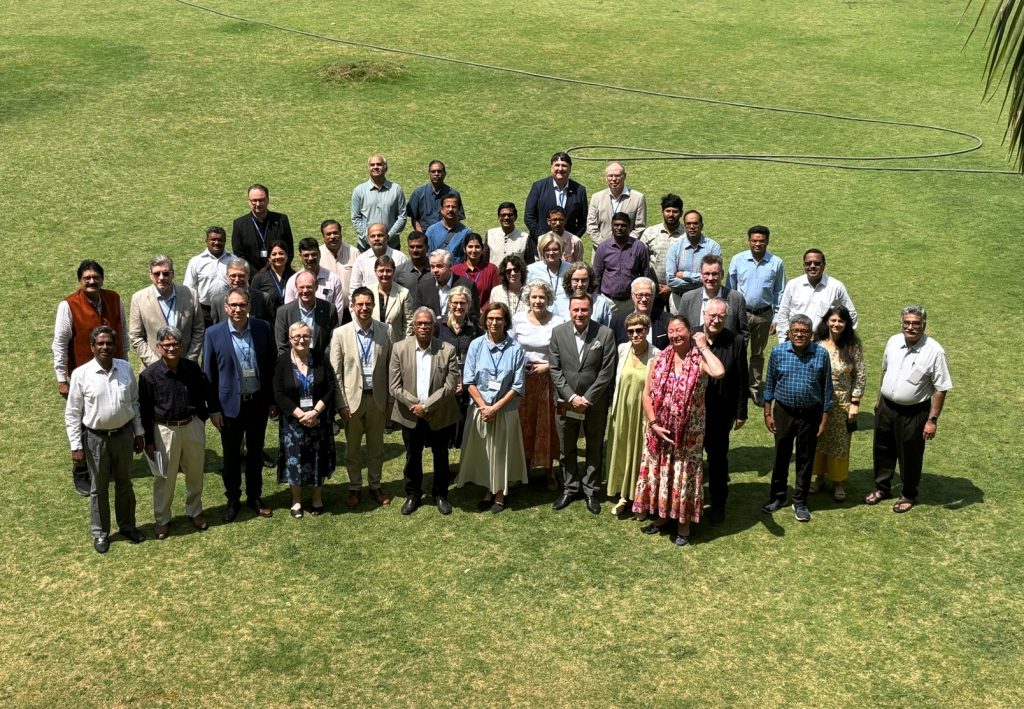
Prof. B J Rao has demonstrated visionary leadership through the successful implementation of NEP 2020, fundamentally reshaping the academic landscape. His tenure has been marked by a significant strengthening of human resources, achieved through the timely and efficient recruitment and promotion of both teaching and non-teaching staff. By streamlining roster book processes to be transparent and robust, he has instilled a culture of accountability and organizational excellence.
Beyond administrative reforms, Prof. Rao has been a pivotal figure in national policy, serving on several high-powered committees for the Ministry of Education. His expertise has guided critical mandates involving the National Testing Agency (NTA), accreditation standards, and the strengthening of industry-academia linkages. His commitment to cutting-edge innovation is further evidenced by the establishment of the first university-based laboratory to implement Digital Twin Technology on real-world models. In recognition of his profound contributions to society and education, he was honored by the Hon’ble Governor of Telangana with the Distinguished Citizen Award on the State Formation Day in June 2025.

Honors, Fellowships, and Scientific Recognition
Prof. Rao’s scientific stature is reflected in his election as a Fellow of all three National Science Academies of India. He is also a recipient of the prestigious J. C. Bose Fellowship from the Department of Science and Technology.
In addition to his research and teaching contributions, he has played a significant role in scientific publishing as Chief Editor of the Journal of Biosciences. His contributions extend to numerous national and international committees, reflecting his involvement in shaping science policy and academic frameworks.

Legacy and Future Outlook
As the 10th Vice-Chancellor and the most recent leader in the University of Hyderabad’s distinguished lineage, Prof. B. J. Rao leaves behind a tenure defined by structural transformation, research-driven governance, and strategic utilization of national initiatives. His focus on the Institution of Eminence framework has provided the University with the tools required to remain competitive in the global academic landscape over the coming decade.
His leadership reinforced the idea that universities must evolve as dynamic research ecosystems, where infrastructure, policy, and intellectual inquiry work in alignment. By integrating scientific thinking into administrative decision-making, he set a precedent for how research-intensive institutions can be governed in the contemporary era.

As the University of Hyderabad continues its journey toward global academic prominence, the foundations strengthened during Prof. Rao’s tenure will remain central to its future trajectory, marking his term as a significant and forward-looking chapter in its institutional history.

Prof. Rao concludes, “UoH, as a way forward, will count well in the League of Academic Institutions, only if its activities connect with the Society’s and Country’s requirements at large. This is high time that the University opens itself up towards the Nation building activities very substantially.”
– By Mahi Sharma, MA Communication (Media Studies) with inputs from Prof. M Ghanashyam Krishna, Director-IoE, and faculty member, CASEST, School of Physics