
Ms. Anjana M Nair, a Ph.D. candidate in the Department of History, School of Social Sciences has been awarded the prestigious Fulbright-Nehru Doctoral Research Fellowship (2026–2027). The Fulbright-Nehru Fellowship is one of the most esteemed and highly competitive international research awards, enabling exceptional scholars to conduct advanced research in the United States.
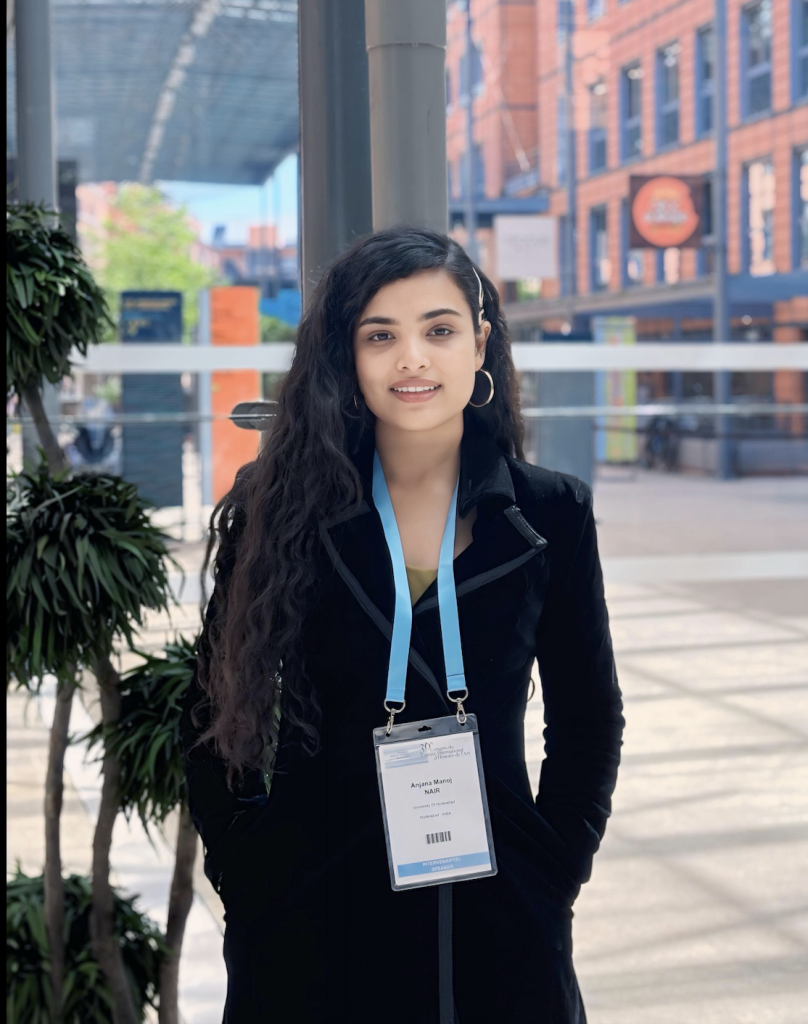
Anjana is currently pursuing her doctoral research under the supervision of Professor Suchandra Ghosh, Head of Department of History in the University of Hyderabad. Her research focuses on crime and deviance in historical trajectory, which she studies through its regulation in normative Sanskrit theological traditions, and parallel contestations in narrative literary traditions from 2nd century BCE to 8th century CE. Moving beyond the prevailing notions of ‘status’, ‘dignity’ and ‘reputation’ as parameters, Anjana examines social hierarchies and spatial marginalization through the lens of ‘deviant spaces’ and ‘spatial outliers’.
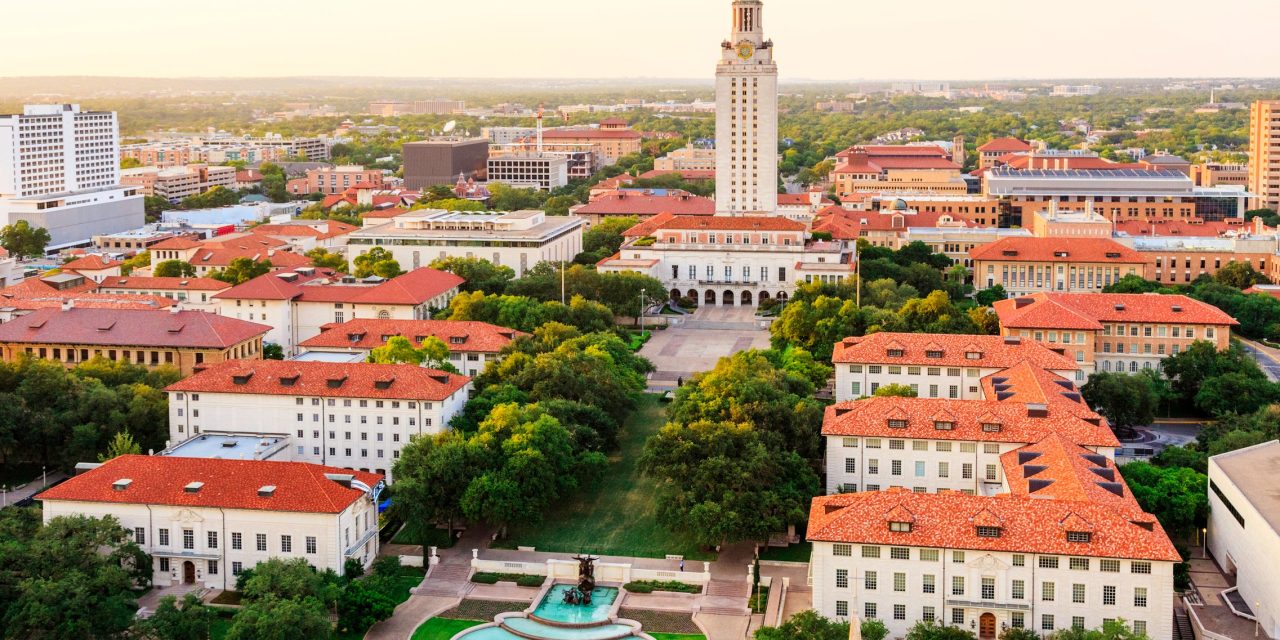
As part of the FNDR fellowship, Anjana will be utilizing a database of rare manuscript variants in U.S. repositories identified as per relevance. According to Prof. Ghosh, ” What sets her research apart is the innovative stance taken as regards the methodology of using quantitative tools for terminological frequency analysis of spatial categories, alongside qualitative archival research”. She will be conducting her research in the Department of Asian Studies, College of Liberal Arts, University of Texas at Austin under the guidance of Prof. Donald R. Davis, a leading expert in this field. Other than providing her with valuable digital humanities tools and excellent mentorship, this opportunity will enable her to engage with research collectives and the broader academic communities in the U.S.
Anjana has already demonstrated strong academic promise, having been an Indian Council of Social Science Research grantee under the International Collaboration Data Collection Scheme in 2025, and a GETTY grantee in 2024 for attending the 36th Comité International d’Histoire de l’Art (CIHA). In addition to presenting her work at multiple conferences internationally like in Lyon (France), Heidelberg (Germany), and Surabaya (Indonesia), she has also published in multiple reputed journals.
Anjana’s selection reflects the strength of her academic rigour and the utility of the research for both nations through its contribution to inclusive knowledge production by bringing marginalized narratives within South Asian history into productive dialogue with transnational legal scholarship.
Anjana expresses her heartfelt gratitude to Prof. Suchandra Ghosh and other mentors in the department of History for their unwavering support throughout Fulbright’s selection process. The academic ambience provided by the School of Sciences, University of Hyderabad, in general also remains a key motivation.’