
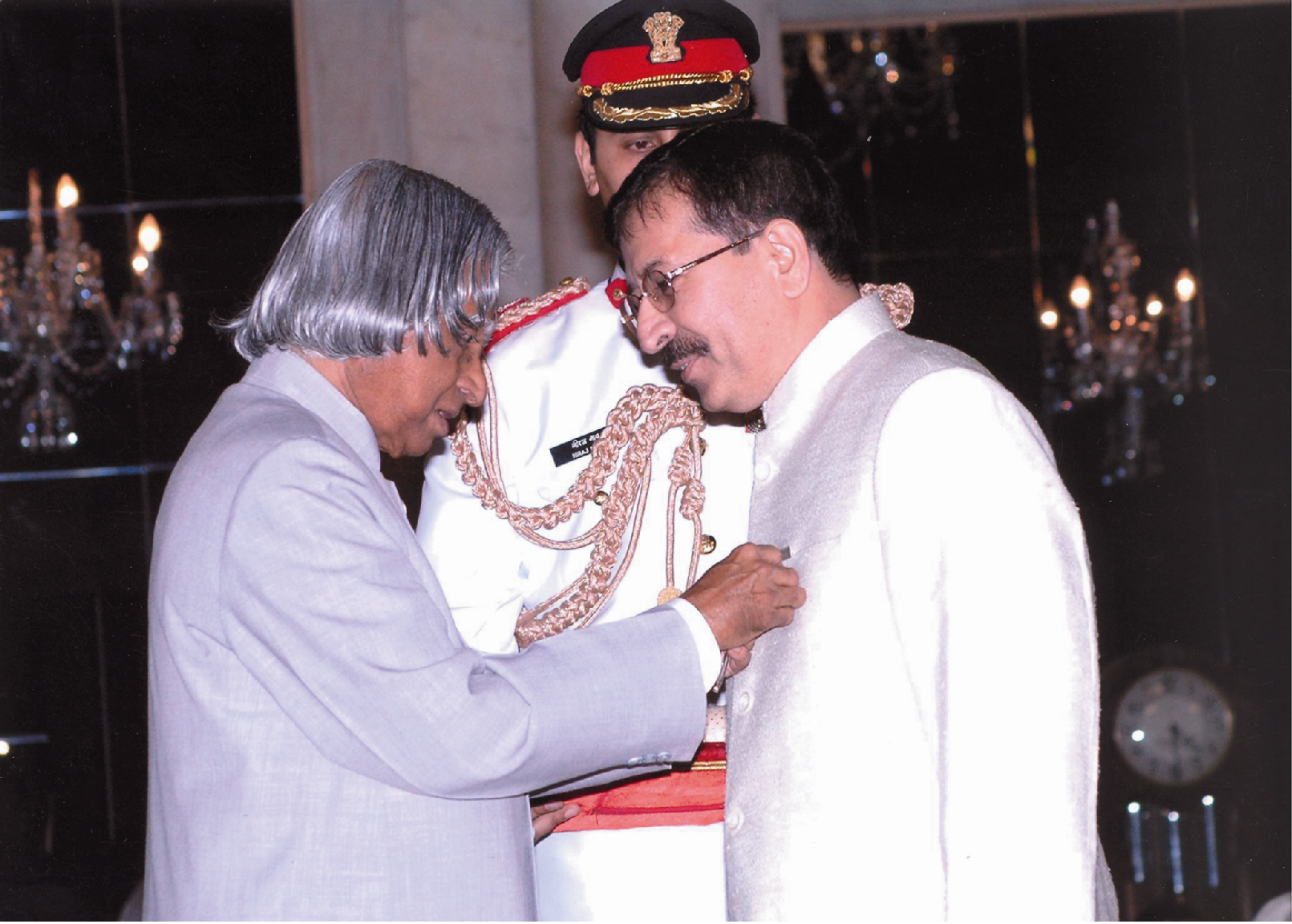
Prof. Seyed E. Hasnain served as the Vice-Chancellor of the University of Hyderabad from 2005 to 2011, becoming one of the key academic leaders in the institution’s history. By the time he assumed this role, he was already a highly respected scientist, nationally and internationally recognized for his contributions to molecular biology, genetics, biotechnology, and science policy. His tenure as Vice-Chancellor marked a phase of strong academic growth, research excellence, and national recognition for the University.
A Scientist Before an Administrator
Long before taking up leadership roles in higher education, Prof. Hasnain had established himself as a leading scientist. His research work covered a wide range of areas, including gene expression, genetics, cell biology, microbiology, and immunology. Over the years, he published more than 300 research papers in some of the world’s most respected journals such as Nature Medicine, PNAS (USA), and The Lancet, etc. He also received over 30 patents and played an important role in training the next generation of scientists by mentoring several PhD, MD, and postdoctoral scholars.
One of his most impactful scientific contributions as the first Director of Centre for DNA Fingerprinting and Diagnostics (CDFD), Hyderabad (1999-2005) was in the area of DNA fingerprinting of Indian Basmati rice. His work scientifically proved the unique genetic identity of Indian Basmati, which became a decisive factor in India winning an international case against Pakistan. This allowed India to continue exporting Basmati rice to the United Kingdom and prevented a major economic loss. Following this achievement, the Ministry of Commerce, Government of India, established the CDFD–APEDA Basmati DNA Analysis Centre, where all Basmati exports from India were certified. This work clearly demonstrated how scientific research could directly support national interests.
Prof. Hasnain’s research also made major contributions to understanding genetic diseases, endangered species, and infectious diseases. His work helped identify genetic causes of conditions such as primary congenital glaucoma and advanced molecular understanding of multidrug-resistant tuberculosis in India. His work on the bacteria that causes tuberculosis (TB), led to major policy decisions in India and abroad, including the use of rifampicin as a surrogate marker globally for multi drug resistant TB (MDR-TB) and stoppage of ELISA-based TB diagnosis in India based on his work showing distinct genetic identities of Indian clinical isolates of TB bacterium. He played a leading role in sequencing, for the first time in India, the genome of a medically important bacterium, later named by him as Mycobacterium indicus pranii. Through these efforts, he became known not just as a laboratory scientist but as a researcher whose work had real-world impact.
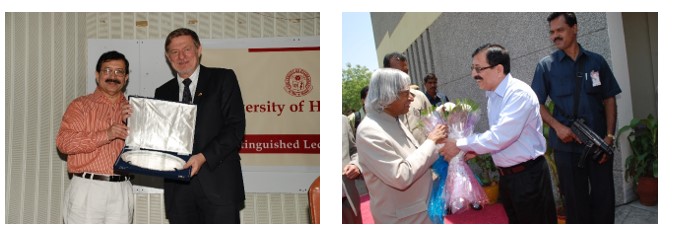
Recognition and National Responsibility
In recognition of his scientific achievements, Prof. Hasnain received several prestigious national and international honours. These included the Padma Shri; the Shanti Swarup Bhatnagar Prize; and the Order of Merit (Das Verdienstkreuz, 1. Klasse) from the Federal Republic of Germany. He was elected Fellow of the American Academy of Microbiology and became a Member of the German National Academy of Sciences Leopoldina, one of the oldest and most respected science academies in the world.
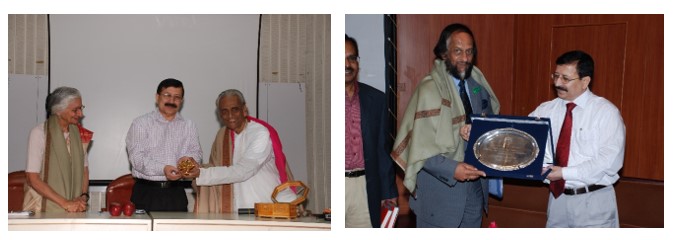
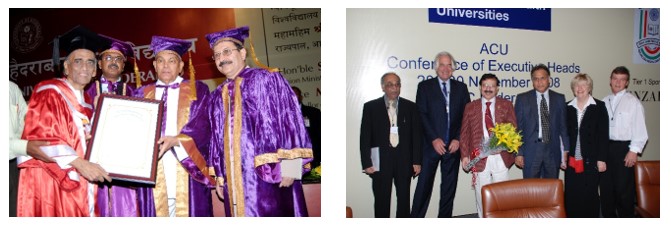
He is also the recipient of many other highly prestigious awards such as ICMR’s BR Ambedkar Award, the highest award for excellence in biomedical research; G.D. Birla Award; FICCI Award (given by the President of India); J.C. Bose National Fellow Award; Ranbaxy Research Award; Goyal Award; Bhasin Award, etc. International recognitions include Humboldt Research Prize (Alexander von Humboldt Foundation, Germany); the Robert Koch Fellowship of the Robert Koch Institute, Berlin, etc. He was the third Indian to receive an Honorary Doctorate (2011) from Queen’s University, UK.
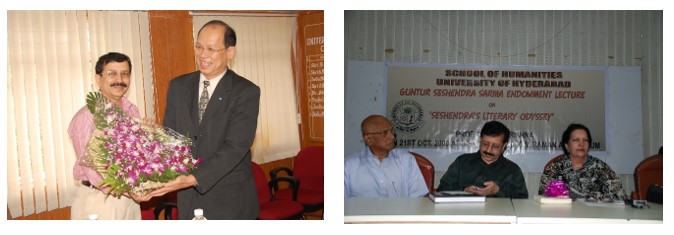
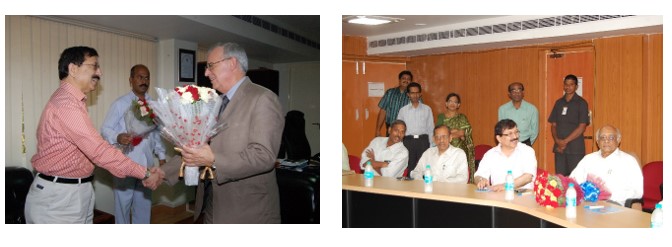
Alongside his research, Prof. Hasnain took on important national responsibilities. He served as a Member of the Science Advisory Council to the Prime Minister (2005-2014) and as a Member of the Scientific Advisory Committee to the Union Cabinet. He was also involved in advisory roles for several State Governments and served on Governing Councils of leading institutions such as the Indian Institute of Science, Bengaluru, and the Indian Institute of Management, Kozhikode; UGC; SERB; Central Universities, etc. These recognitions aptly reflect the trust placed in his scientific judgement and leadership at the highest levels.
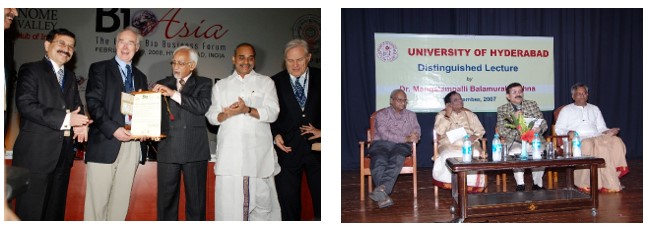
Vice-Chancellor of the University of Hyderabad
When Prof. Hasnain took charge as Vice-Chancellor of the University in 2005, he brought with him a deep understanding of research, academic quality, and institutional governance. His own background as a scientist strongly shaped his priorities as an administrator. He placed clear emphasis on strengthening research output, encouraging high-quality publications, and building a culture of academic excellence.
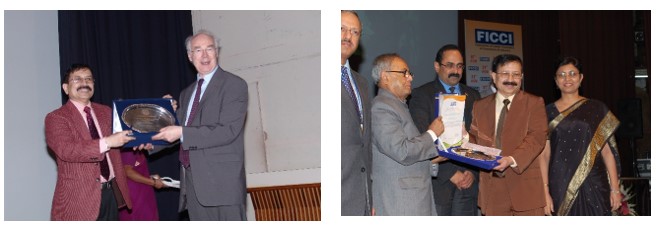
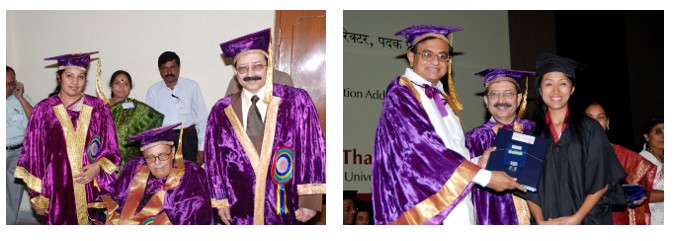
During his tenure, University achieved several important milestones. The University emerged as the top-ranked university in India according to the International SCOPUS database, reflecting the quality and impact of its research. It also received an exceptional 97 per cent overall accreditation score from NAAC, highlighting strong academic programmes, governance, infrastructure, and research environment. The University gained international visibility by being ranked 34th in Asia by the QS rankings, placing it among the leading universities on the continent.
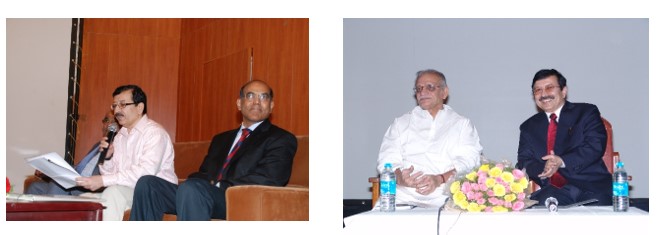
A major recognition during this period was the award of the PURSE (Promotion of University Research and Scientific Excellence) grant from the DST. This award acknowledged the university’s strength in scientific research and helped further support its research infrastructure and activities.
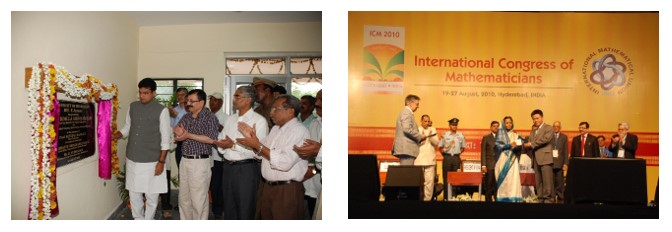
Prof. Hasnain also focused on the long-term growth of the University. One of his important contributions was the initiation and development of the South Campus of the University. This expansion reflected a forward-looking vision and created additional space for academic programmes and research activities and has today become a major academic and residential hub of the University. The starting of the 5-year Integrated Master’s program in many disciplines was the first of its kind for any Central University and is today contributing in a major way to the overall increase in student numbers at the University. He encouraged collaboration across disciplines and supported an academic environment where research and teaching could grow together and his tenure witnessed an unprecedented increase in research funds to the University by UGC, DBT (including the Centre of Excellence) and other Ministries. During his term, the University became the ONLY University in the country, and remains till today, which had 3 Fellows of the Royal Society (FRS) as its faculty.
After His Tenure: Continued Service to Science and Education
After completing his term at the University in 2011, Prof. Hasnain continued to play an active role in higher education and science leadership. He was one of the less than a dozen persons invited to be a full-time Professor at the prestigious Indian Institute of Technology, Delhi (IIT-D) where he continued until superannuation. He also served as the Vice-Chancellor of Jamia Hamdard from 2011 to 2015, where the University achieved national recognition as Institution of Eminence and declared the fifth highest ranking private University in the country. During and following his tenure, Jamia Hamdard ranked number one in Pharmacy for several years and saw significant growth in research funding and institutional capacity.
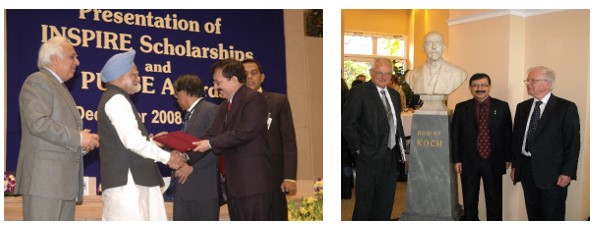
Beyond University leadership, Prof. Hasnain continued his engagement with national and international scientific bodies. He remained involved in science policy, advisory roles, and global academic networks. One of the first 5 recipients of the highly prestigious National Science Chair, he is also a Distinguished Professor at Sharda University, Greater Noida, where he led a very active research group on TB. His continued association with international academies, advisory boards, and research organizations reflects his ongoing contribution to science and higher education even after formal administrative roles.
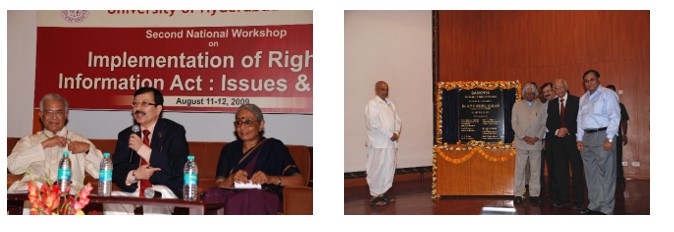
A Lasting Legacy
Prof. Seyed E. Hasnain’s journey reflects a rare combination of scientific excellence, thoughtful leadership, and public service. His personal achievements in research gave him the credibility and vision to lead major academic institutions including CDFD-Hyderabad, University, Jamia Hamdard. His tenure as Vice-Chancellor of the University stands out as a period of strong academic, and financial growth and recognition. By connecting science with administration and policy, he demonstrated how academic leadership can shape institutions and serve national interests.
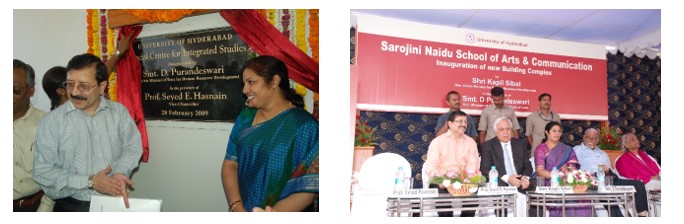
As part of the Vice-Chancellors of the University series, Prof. Hasnain’s story represents a chapter defined by research-driven leadership, institutional development, and lasting impact. His work continues to inspire students, researchers, and academic leaders who believe in the power of knowledge to transform institutions and society.
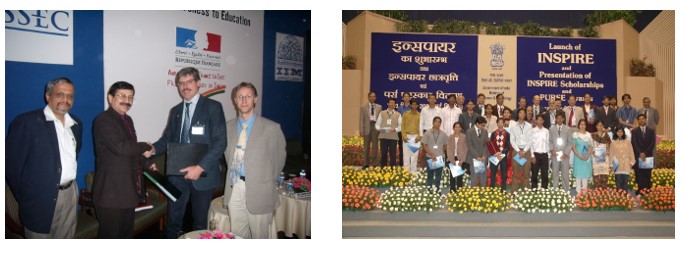
– By Mahi Sharma, MA Communication (Media Studies) with inputs from Prof. Jyotirmaya Sharma, Department of Political Science, School of Social Sciences