
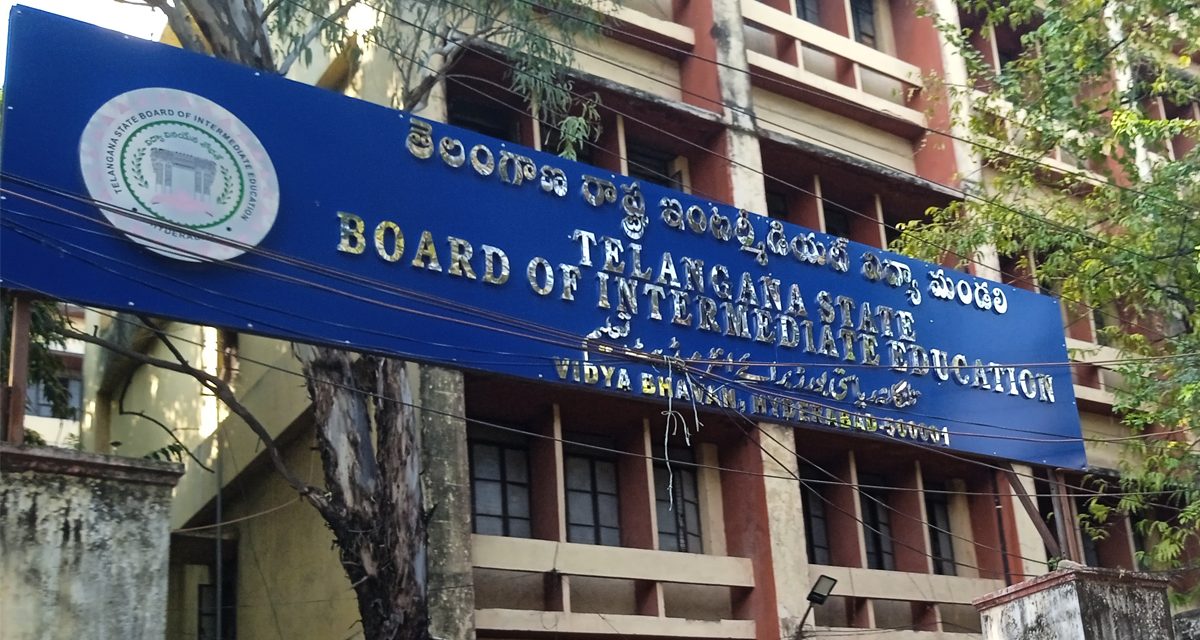
Prof. Ramdas Rupavath from the Department of Political Science, University of Hyderabad, has been appointed as a member of the Textbook Development Committee for Intermediate Political Science by the Government of Telangana.
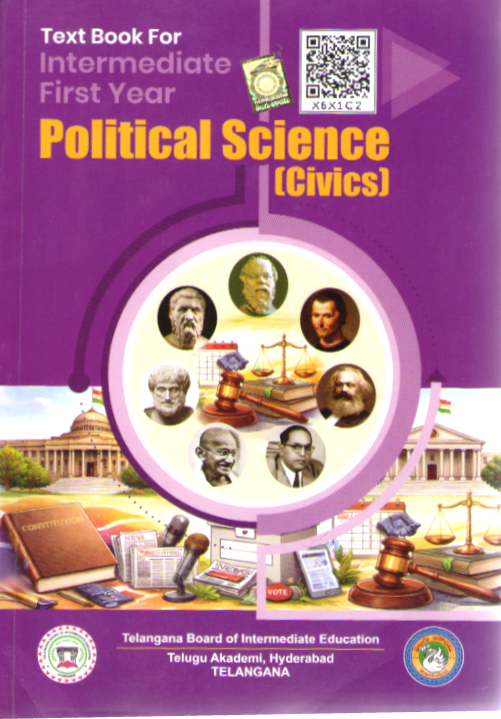
The textbook, titled Political Science (Civics) for Intermediate First Year, has been published by the Telangana Board of Intermediate Education in collaboration with Telugu Akademi, Hyderabad.
Prof. Rupavath served on the committee alongside distinguished academics including Dr. G. Prabhakar Reddy, Prof. Jadi Musalaiah, Prof. M. Krishnakumar, Dr. Andem Madhusudan Reddy, and Dr. Chalanallah Venkateshwarlu from Osmania University. The overarching coordinating committee was led by Smt. Abhilasha Abhinav, IAS, Smt. A. Sridevasena, IAS (Director), and Dr. M. Venkatesham (Deputy Director), alongside other prominent officials.
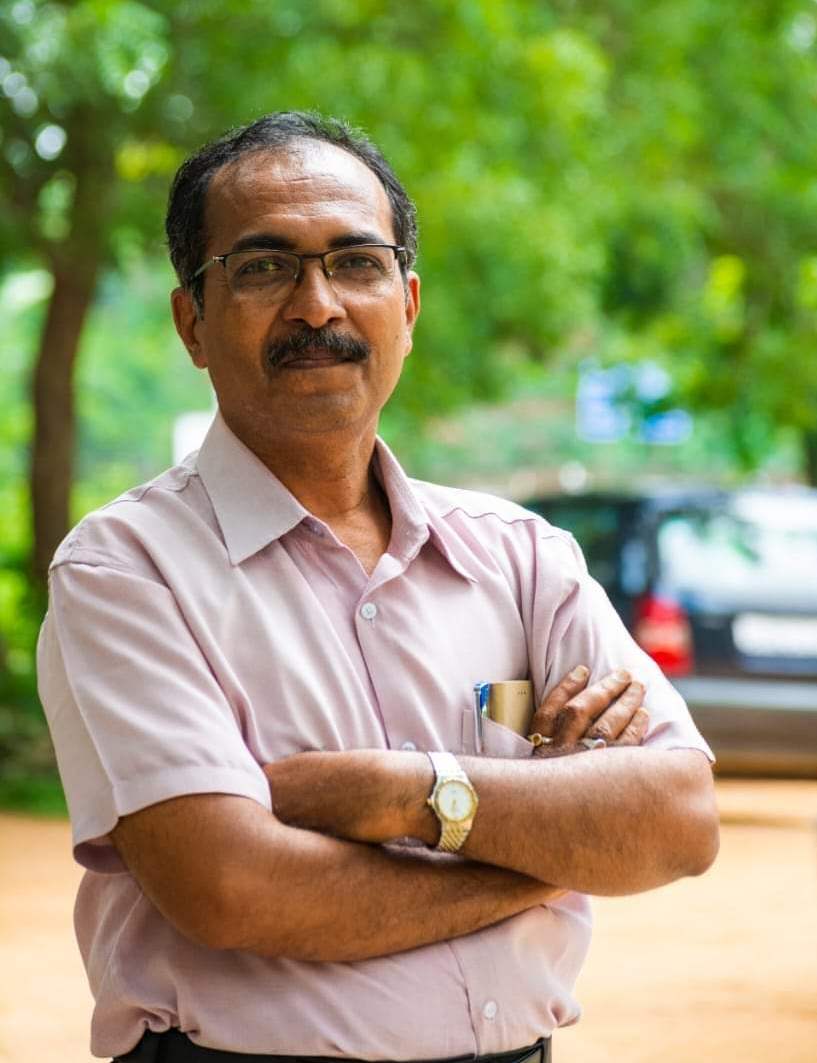
Prof. Rupavath’s contributions to the textbook aim to foster academic excellence and mentor the next generation of political scientists. Designed to transform students’ understanding of governance, the curriculum focuses on key institutional and conceptual frameworks:
• Demystifying Politics: The book moves students away from viewing politics through a narrow lens of power struggles, reframing it as a fundamental aspect of human social life that can be systematically analyzed and improved.
• Foundational Knowledge: It introduces core political concepts—such as sovereignty, law, liberty, equality, justice, power, and authority—alongside institutional structures like the State, Government, legislature, executive, and judiciary.
• Theoretical Engagement: The text encourages critical examination of major political ideologies, including Liberalism, Socialism, Nationalism, Secularism, and Gandhism, connecting theoretical models to contemporary real-world application.
• Fostering Active Citizenship: Ultimately, the curriculum aims to transition learners from passive indifference to active, critical, and informed participation in democratic governance.
Congratulations to Prof. Ramdas Rupavath.