
Introduction
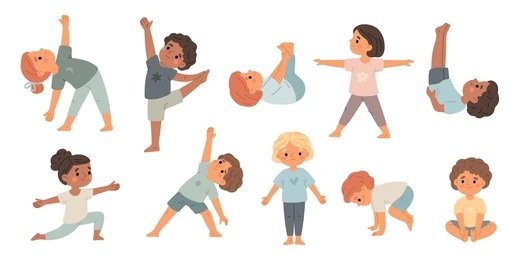
The theme of the International Day of Yoga (IDY) 2026 on 21 June 2026 is “Yoga for Healthy Ageing,” which underlines the critical role of yoga in advancing the health, vitality, and well-being of people of all ages throughout their lives. It is a theme that strikes a chord with women who may have to juggle several roles throughout their lives – as daughters, students, professionals, mothers, caregivers, and leaders. For women, amidst all the academic and work obligations, family responsibilities and social engagements, physical tiredness, mental stress, hormonal changes and lifestyle-related health issues are common.
Yoga is a holistic, accessible and sustainable solution to solve these concerns. Yoga is not just about physical activity; it’s a holistic practice that combines breathwork, meditation, relaxation, and movement to promote health and healthy ageing. According to scientific studies, daily yoga practice can enhance flexibility, strength of muscles, heart health, sleep quality, emotional strength, stress management and the quality of life.
The theme ‘Yoga for Healthy Ageing’ reminds us that healthy ageing is not just about living longer, but about living longer while looking and feeling good. Girls and women can use yoga as a way of life to develop a healthy body, emotional balance, mental clarity and to age gracefully.
“A woman who invests in her health today empowers every role she will play tomorrow.”
“Healthy ageing begins not with age, but with daily habits.”
According to the United Nations and the Ministry of AYUSH, the theme of IDY 2026 aligns with global efforts to promote healthy ageing and improve quality of life through preventive and holistic health practices (United Nations, 2026; Ministry of AYUSH, 2026).
Why Yoga is Important for Women
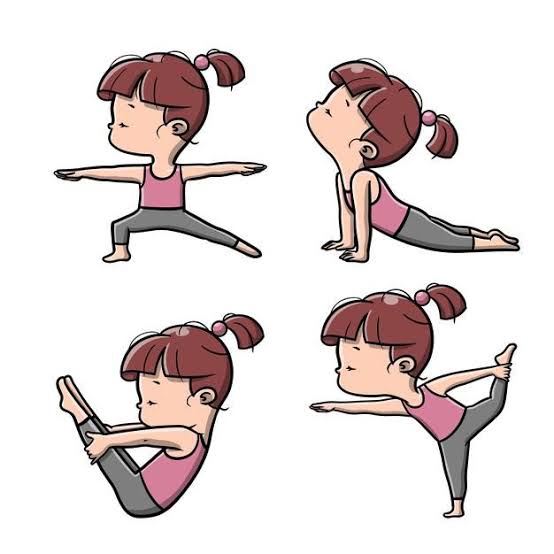
Women’s health needs evolve throughout different stages of life. Yoga provides age-appropriate benefits that support physical, mental, emotional, and social well-being at every stage.
Adolescence (12–18 Years)
- Improves posture and flexibility.
- Enhances concentration and academic performance.
- Helps regulate hormonal changes.
- Builds self-confidence and emotional stability.
“Confidence grows when young girls learn to trust their bodies and minds.”
Young Adults (19–35 Years)
- Reduces academic and workplace stress.
- Improves physical fitness and body composition.
- Enhances reproductive health.
- Develops mental focus and emotional resilience.
“Strong women are not born; they are built through discipline, resilience, and self-care.”
Middle Age (36–55 Years)
- Supports hormonal balance during perimenopause.
- Reduces risk factors for hypertension, obesity, and diabetes.
- Relieves neck, shoulder, and back pain associated with sedentary work.
- Promotes mental well-being and stress management.
“Taking care of yourself is not selfish; it is essential for sustaining every responsibility you carry.”
Senior Women (55+ Years)
- Maintains mobility and balance.
- Improves bone and joint health.
- Enhances respiratory efficiency.
- Supports independence and healthy ageing.
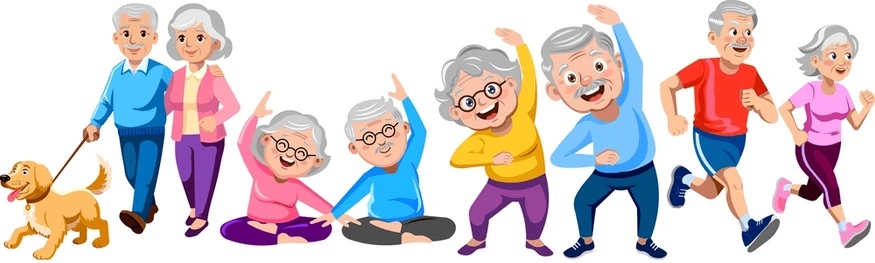
“Age is not a barrier to wellness; it is an invitation to move with wisdom and grace.”
The World Health Organization emphasizes that healthy ageing involves maintaining functional ability and independence throughout life. Yoga contributes significantly to this goal by improving balance, flexibility, strength, emotional well-being, and social participation (WHO Decade of Healthy Ageing, 2021–2030).
Age-Appropriate Yoga Practices
For Adolescent Girls
Recommended Asanas
- Tadasana (Mountain Pose)
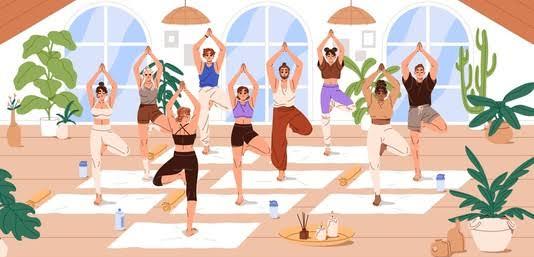
- Vrikshasana (Tree Pose)
- Trikonasana (Triangle Pose)
- Bhujangasana (Cobra Pose)
- Setu Bandhasana (Bridge Pose)
Pranayama Practices
- Anulom Vilom
- Bhramari Pranayama
- Deep Yogic Breathing
Benefits
Improves posture, concentration, emotional control, and self-esteem while supporting healthy physical growth.
For Young Women and Working Professionals
Recommended Asanas
- Surya Namaskar (Sun Salutation)
- Virabhadrasana (Warrior Pose)
- Ustrasana (Camel Pose)
- Ardha Matsyendrasana (Half Spinal Twist)
- Paschimottanasana (Seated Forward Bend)
Pranayama Practices
- Nadi Shodhana
- Ujjayi Breathing
- Bhramari Pranayama
Benefits
Enhances physical fitness, relieves work-related stress, improves posture, and increases productivity and mental clarity.
“The body benefits from movement, and the mind benefits from stillness.”
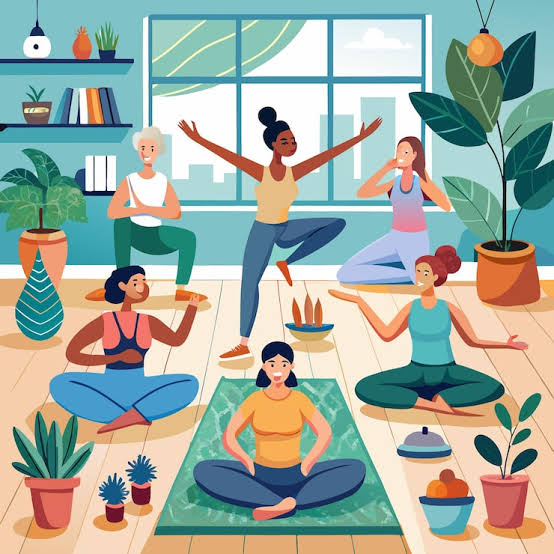
For Middle-Aged Women
Recommended Asanas
- Vajrasana
- Bhujangasana
- Setu Bandhasana
- Marjariasana (Cat-Cow Stretch)
- Shavasana (Relaxation Pose)
Pranayama Practices
- Anulom Vilom
- Bhramari
- Chandra Bhedana
Benefits
Supports cardiovascular health, reduces menopausal symptoms, improves flexibility, and promotes emotional balance.
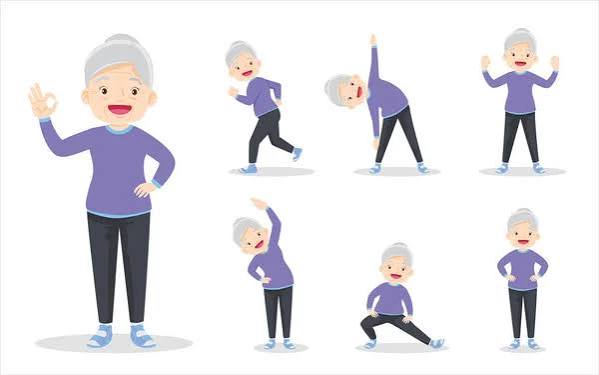
For Elderly Women
Recommended Asanas
- Tadasana
- Vrikshasana (with support if needed)
- Chair Yoga Movements
- Pawanmuktasana Series
- Gentle Stretching Exercises
Pranayama Practices
- Deep Breathing
- Anulom Vilom
- Bhramari
Benefits
Enhances balance, coordination, respiratory health, and overall functional independence.
“Yoga teaches us that every stage of life can be lived with strength, dignity, and purpose.”
Special Focus: Yoga for Working Women
Today’s working woman is likely to be exposed to numerous factors, including long periods of sitting, excessive time spent in front of screens, work and commuting stress, and difficulties achieving a balance between work and life. All of these factors play a role in neck pain, back pain, eye strain, anxiety, sleep disturbances, fatigue and burnout.
Self-care is easily put on the back burner in the fast-paced world of the workplace. But health first, success second, is a must for sustainable success. “Self-care is not a luxury for working women; it is a necessity for sustainable success.”
Practising yoga for just 20–30 minutes daily can significantly improve physical and mental health by:
- Reducing stress and anxiety.
- Improving posture and spinal health.
- Enhancing concentration and decision-making.
- Supporting hormonal balance.
- Improving sleep quality.
- Increasing workplace productivity and overall well-being.
Workplace Yoga Suggestions
Five-Minute Desk Yoga Routine
- Neck Rotations – 30 seconds
- Shoulder Rolls – 30 seconds
- Seated Spinal Twist – 1 minute
- Wrist and Finger Stretches – 1 minute
- Deep Breathing Practice – 2 minutes
During Work Hours
- Stand and stretch every hour.
- Practice mindful breathing between meetings.
- Use stairs whenever possible.
- Maintain proper sitting posture.
- Stay hydrated throughout the day.
After Work
- Practice gentle stretching and relaxation.
- Perform Bhramari Pranayama for stress reduction.
- Spend 10 minutes in meditation before sleep.
Research indicates that regular workplace yoga can improve concentration, reduce absenteeism, enhance productivity, and promote employee well-being.
“When women prioritize their well-being, families, workplaces, and communities thrive.”
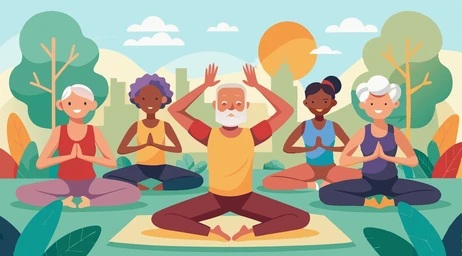
Healthy Ageing Through Yoga
The theme of International Day of Yoga 2026 – “Yoga for Healthy Ageing” underscores the role of yoga as a powerful tool for maintaining health, independence, and quality of life throughout the lifespan.
Healthy ageing is not merely living longer; it is about maintaining physical, mental, emotional, and social well-being throughout life. Yoga contributes to healthy ageing by:
- Improving flexibility and mobility.
- Enhancing muscular strength and endurance.
- Supporting cardiovascular and respiratory health.
- Reducing stress and anxiety.
- Improving sleep quality.
- Enhancing cognitive function and memory.
- Promoting emotional stability and self-confidence.
- Strengthening immunity and overall vitality.
Key Components of Healthy Ageing Supported by Yoga
- Physical Activity and Functional Fitness
- Stress Management and Emotional Resilience
- Social Connectedness and Community Participation
- Quality Sleep and Recovery
- Positive Mental Health
- Lifelong Learning and Mindful Living
Yoga uniquely integrates all these components into a single, holistic practice.
Recent discussions surrounding IDY 2026 have highlighted yoga’s role in improving mobility, balance, flexibility, respiratory efficiency, mental clarity, and emotional resilience, thereby helping individuals maintain independence and quality of life as they age (United Nations, 2026).
“The greatest wealth a woman can possess is her health.”
“Yoga is not about touching your toes; it is about what you learn on the way down.” — Jigar Gor
The integration of yoga into daily life helps women remain active, independent, and healthy across all stages of ageing.
Practical Tips for Girls and Women
- Begin with 15–20 minutes of yoga daily and gradually increase duration.
- Practice under qualified instructors, especially beginners and senior citizens.
- Combine asanas, pranayama, and meditation for comprehensive benefits.
- Avoid comparing your practice with others; progress should be individual.
- Maintain consistency rather than focusing on intensity.
- Practice on an empty stomach or at least three hours after meals.
- Stay hydrated and follow a balanced diet.
- Listen to your body and avoid overexertion.
- Include relaxation techniques such as Yoga Nidra or Shavasana.
- Make yoga a lifelong habit rather than a short-term activity.
“Small daily practices create extraordinary lifelong transformations.”
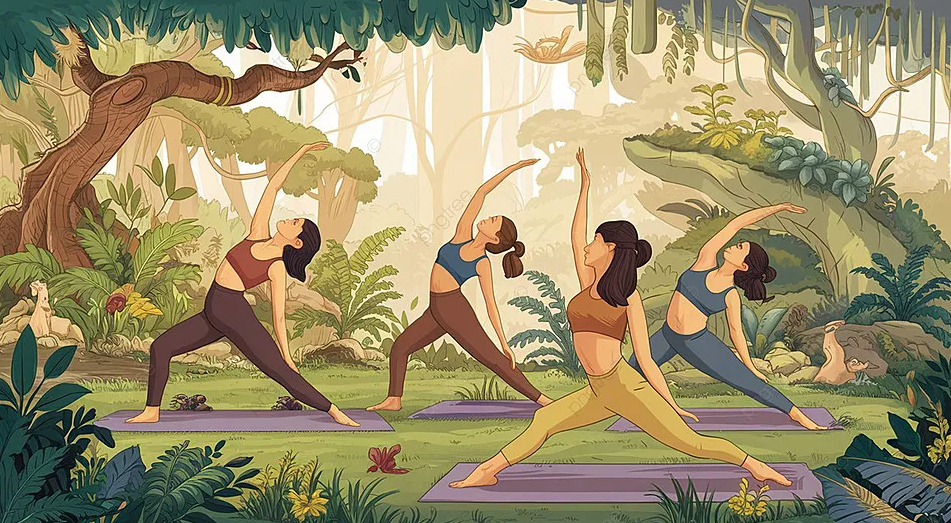
Conclusion
With this year’s theme of “Yoga for Healthy Ageing”, it’s a good time to ensure that every girl and woman sees yoga as their lifelong companion. From adolescent school-going girl to university student, working professional, homemaker or senior citizen, yoga is a practical, affordable and scientifically proven method to achieve health, happiness and longevity.
Yoga is a potent tool for empowering girls and women to experience a holistic sense of health and healthy ageing. Yoga ensures physical fitness, mental resilience, emotional well-being and inner harmony from adolescence to older adulthood. Women who adopt age-appropriate yoga practices into their everyday lives can enjoy more fulfilling lives; learn to avoid lifestyle diseases and age gracefully in strength, confidence and vitality.
As B.K.S. Iyengar rightly said:
Yoga helps us heal what needs healing and endure what can’t be endured.
This International Day of Yoga is a reminder for us all to recommit to our health, our personal well-being, and our healthy approach to living. Give all girls and women the opportunity to experience the empowering potential of yoga and to lead healthy, resilient, dignified, and vibrant lives.
By Dr. Siddhartha Anandesi, Assistant Director, Department of Physical Education & Sports
Office of Dean Students’ Welfare, University of Hyderabad
References
- United Nations. International Day of Yoga 2026: Yoga for Healthy Ageing. Available at: https://www.un.org/en/observances/yoga-day
- Ministry of AYUSH, Government of India. International Day of Yoga 2026 Theme Announcement. Available at: https://www.ayush.gov.in
- World Health Organization (WHO). Decade of Healthy Ageing 2021–2030. Available at: https://www.who.int
- Government of India, Press Information Bureau (PIB). International Day of Yoga Initiatives and Healthy Ageing Campaigns. Available at: https://pib.gov.in
- Iyengar, B.K.S. Light on Yoga. HarperCollins Publishers.
- Research literature on yoga, women’s health, workplace wellness, and healthy ageing published in peer-reviewed journals including the International Journal of Yoga, Journal of Women’s Health, and Frontiers in Public Health.