
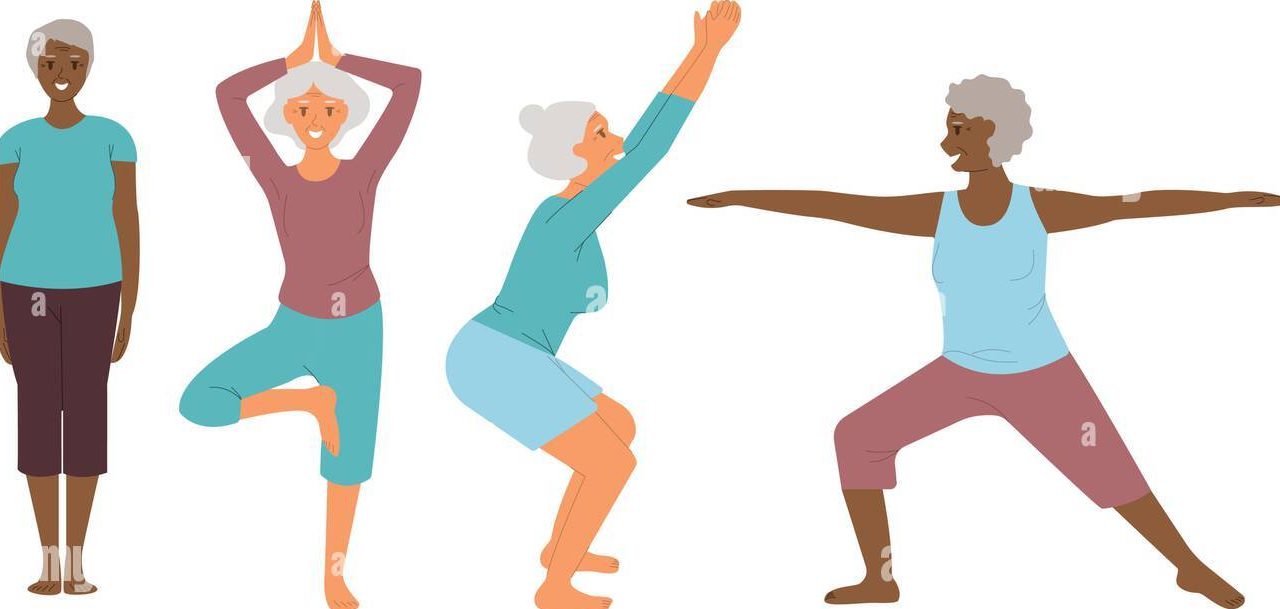
Middle age, generally considered the period between 40 and 60 years of age, is a critical stage in the human lifespan. During this period, individuals begin to experience gradual physiological, psychological, and metabolic changes associated with aging. Declining muscle mass, reduced flexibility, increased body fat, elevated stress levels, hormonal changes, and the onset of chronic diseases such as hypertension, diabetes, and cardiovascular disorders become increasingly common (World Health Organization [WHO], 2022).
Healthy aging is defined as the process of maintaining functional ability, physical health, mental well-being, and social engagement as one grows older. Among the various lifestyle interventions available, yoga has emerged as an effective and evidence-based approach to promote healthy aging and improve quality of life in middle-aged adults (Ross & Thomas, 2010; Woodyard, 2011).

Understanding the Aging Process
Aging is characterized by progressive changes in multiple body systems:
- Musculoskeletal Changes
After the age of 40, individuals lose approximately 1–2% of muscle mass annually, a condition known as sarcopenia. Joint cartilage gradually wears down, reducing mobility and increasing the risk of stiffness and pain (American College of Sports Medicine [ACSM], 2022).
- Cardiovascular Changes
The elasticity of blood vessels decreases with age, leading to increased blood pressure and greater workload on the heart. Aerobic capacity also declines progressively (ACSM, 2022).
- Metabolic Changes
Middle-aged adults often experience slower metabolism, insulin resistance, weight gain, and increased abdominal fat accumulation, all of which elevate the risk of metabolic syndrome.
- Neurological and Cognitive Changes
Stress, anxiety, and reduced cognitive processing speed may emerge during middle age. Sleep disturbances also become more common.
- Hormonal Changes
Men and women experience age-related hormonal fluctuations that influence energy levels, mood, bone health, and body composition.
How Yoga Supports Healthy Aging
Yoga is a holistic mind-body practice incorporating physical postures (Asanas), breathing techniques (Pranayama), meditation, and relaxation. Scientific studies demonstrate that yoga positively influences multiple physiological systems simultaneously (Field, 2011).
Improvement in Muscular Strength and Flexibility
Yoga postures require the body to support its own weight, thereby improving muscular endurance and strength. Regular practice enhances flexibility of muscles, tendons, and ligaments, reducing stiffness associated with aging.
Research has shown that yoga can significantly improve balance, mobility, and functional fitness, reducing the risk of falls and injuries in later life (Ross & Thomas, 2010; Woodyard, 2011).
Cardiovascular Benefits
Regular yoga practice improves cardiovascular efficiency by:
- Reducing resting heart rate
- Lowering blood pressure
- Improving circulation
- Enhancing oxygen utilization
Slow and controlled breathing activates the parasympathetic nervous system, promoting relaxation and reducing strain on the cardiovascular system (Streeter et al., 2012).
Reduction of Chronic Inflammation
One of the biological hallmarks of aging is chronic low-grade inflammation, often referred to as “inflammaging.” Elevated inflammatory markers are associated with heart disease, diabetes, arthritis, and neurodegenerative disorders.
Scientific evidence suggests that yoga reduces inflammatory biomarkers such as C-reactive protein (CRP) and inflammatory cytokines. This anti-inflammatory effect may contribute to slower biological aging and improved overall health (Pascoe et al., 2017).

Stress Management and Mental Health
Middle age is often associated with professional responsibilities, family commitments, and financial pressures. Chronic stress elevates cortisol levels, which can negatively affect immune function, sleep quality, and metabolic health.
Yoga promotes mental well-being by:
- Reducing cortisol secretion
- Enhancing emotional regulation
- Lowering anxiety and depression
- Improving resilience to stress
Meditation and mindfulness practices stimulate areas of the brain associated with attention, memory, and emotional control (Salmon et al., 2009; Telles et al., 2012).
Enhancement of Brain Function
Emerging neuroscience research indicates that yoga may improve neuroplasticity, the brain’s ability to form new neural connections.
Studies have demonstrated improvements in:
- Memory
- Concentration
- Executive functioning
- Cognitive flexibility
Regular meditation is associated with increased gray matter density in brain regions involved in learning and emotional regulation (Gothe & McAuley, 2015; Hariprasad et al., 2013).
Improved Sleep Quality
Sleep disturbances become increasingly common during middle age. Yoga and relaxation techniques improve sleep by reducing sympathetic nervous system activity and promoting deeper, restorative sleep cycles.
Better sleep contributes to:
- Improved immune function
- Better hormonal balance
- Enhanced cognitive performance
- Reduced fatigue
Bone and Joint Health
Weight-bearing yoga postures stimulate bone remodeling and may help maintain bone mineral density, reducing the risk of osteoporosis. Gentle stretching improves joint lubrication and range of motion, helping prevent degenerative joint conditions.
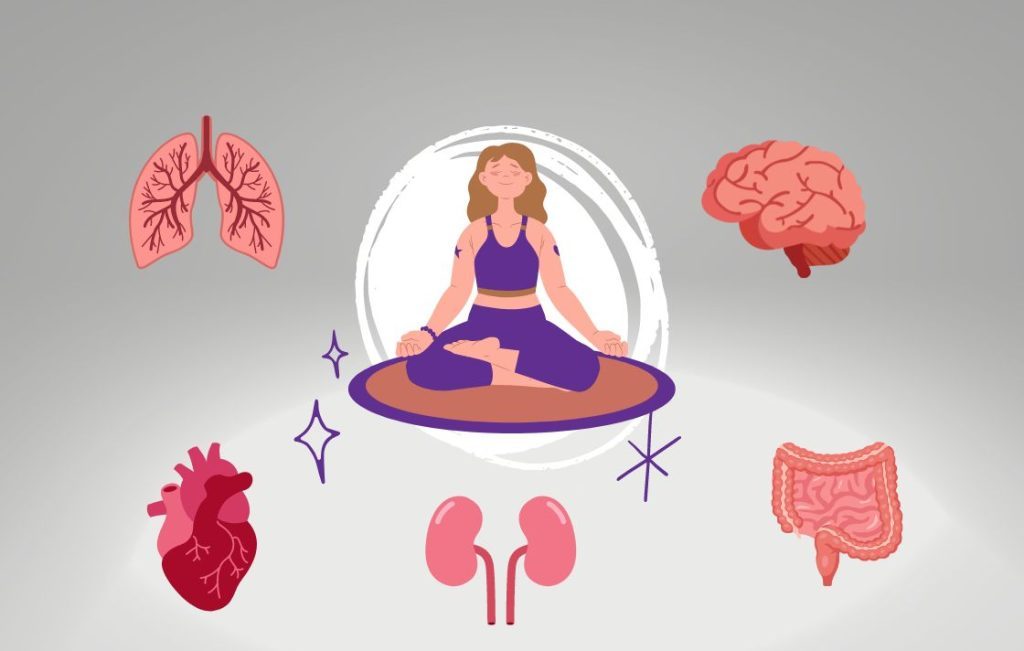
Biological Mechanisms behind Yoga and Aging
Several scientific mechanisms explain yoga’s anti-aging effects:
Telomere Protection
Telomeres are protective caps at the ends of chromosomes that shorten with age. Accelerated telomere shortening is linked to aging and chronic disease.
Research suggests that regular yoga and meditation may enhance telomerase activity, helping preserve telomere length and potentially slowing cellular aging (Tolahunase et al., 2017).
Autonomic Nervous System Balance
Yoga shifts the body from a sympathetic (“fight-or-flight”) state toward a parasympathetic (“rest-and-digest”) state. This balance reduces physiological stress and improves recovery (Streeter et al., 2012).
Improved Mitochondrial Function
Mitochondria are the energy-producing structures within cells. Studies suggest that yoga may improve mitochondrial efficiency, contributing to better energy production and reduced oxidative stress.
Hormonal Regulation
Yoga positively influences endocrine function by regulating cortisol, insulin, thyroid hormones, and reproductive hormones, helping maintain metabolic health during aging.

Recommended Yoga Practices for Middle-Aged Adults
A balanced yoga program should include:
Asanas (Postures)
- Tadasana (Mountain Pose)
- Vrikshasana (Tree Pose)
- Trikonasana (Triangle Pose)
- Bhujangasana (Cobra Pose)
- Setu Bandhasana (Bridge Pose)
- Vajrasana (Thunderbolt Pose)
- Shavasana (Corpse Pose)
Pranayama (Breathing Techniques)
- Anulom Vilom
- Nadi Shodhana
- Bhramari
- Ujjayi Breathing
Meditation and Relaxation
- Mindfulness Meditation
- Yoga Nidra
- Guided Relaxation Techniques
A daily practice of 30–60 minutes can produce measurable benefits in physical and mental health (Ministry of AYUSH, 2025).
Conclusion
Healthy aging is not merely about increasing lifespan but enhancing health span—the number of years lived in good health. Yoga provides a scientifically supported, low-cost, and accessible strategy for addressing the physical, psychological, and physiological challenges of middle age.
By improving flexibility, strength, cardiovascular health, stress resilience, cognitive function, sleep quality, and cellular health, yoga serves as a comprehensive intervention for promoting healthy aging. Regular yoga practice empowers middle-aged adults to maintain independence, vitality, and overall well-being as they progress into later stages of life.
As modern scientific evidence continues to validate ancient yogic wisdom, yoga stands out as one of the most effective lifestyle practices for achieving healthy and successful aging.
-By P. Malikarjun Reddy – Yoga Instructor- PES, University of Hyderabad
References
American College of Sports Medicine. (2022). ACSM’s Guidelines for Exercise Testing and Prescription (11th ed.). Wolters Kluwer.
Field, T. (2011). Yoga clinical research review. Complementary Therapies in Clinical Practice, 17(1), 1–8.
Gothe, N. P., & McAuley, E. (2015). Yoga and cognition: A meta-analysis of chronic and acute effects. Psychosomatic Medicine, 77(7), 784–797.
Hariprasad, V. R., Varambally, S., Shivakumar, V., et al. (2013). Yoga increases the volume of the hippocampus in elderly subjects. Indian Journal of Psychiatry, 55(Suppl 3), S394–S396.
Ministry of AYUSH, Government of India. (2025). Common Yoga Protocol. New Delhi: Ministry of AYUSH.
Pascoe, M. C., Thompson, D. R., Jenkins, Z. M., & Ski, C. F. (2017). Mindfulness mediates the physiological markers of stress: Systematic review and meta-analysis. Journal of Psychiatric Research, 95, 156–178.
Ross, A., & Thomas, S. (2010). The health benefits of yoga and exercise: A review of comparison studies. The Journal of Alternative and Complementary Medicine, 16(1), 3–12.
Salmon, P., Lush, E., Jablonski, M., & Sephton, S. E. (2009). Yoga and mindfulness: Clinical aspects of an ancient mind/body practice. Cognitive and Behavioral Practice, 16(1), 59–72.
Streeter, C. C., Gerbarg, P. L., Saper, R. B., et al. (2012). Effects of yoga on the autonomic nervous system, gamma-aminobutyric acid, and allostasis in epilepsy, depression, and post-traumatic stress disorder. Medical Hypotheses, 78(5), 571–579.
Telles, S., Singh, N., & Balkrishna, A. (2012). Managing mental health disorders resulting from trauma through yoga: A review. Depression Research and Treatment, 2012, 401513.
Tolahunase, M., Sagar, R., Dada, R., et al. (2017). Impact of yoga and meditation on cellular aging in healthy individuals: A pilot study. Oxidative Medicine and Cellular Longevity, 2017, 7928981.
Woodyard, C. (2011). Exploring the therapeutic effects of yoga and its ability to increase quality of life. International Journal of Yoga, 4(2), 49–54.
World Health Organization. (2022). Decade of Healthy Ageing 2021–2030. Geneva: World Health Organization.